What Are the 2026 Best Specialty Boxes for Global Buyers?
Global buyers are asking a sharper question in 2026: which specialty boxes protect products, strengthen brands, and survive complex delivery networks? The answer is rarely the most decorative box. It is the box designed around product weight, moisture exposure, opening behavior, storage conditions, and customer expectations.
Walter Soroka, a respected packaging technology author, wrote, “Packaging is a container, a protector, a preserver, a transporter, an informant, a salesman, and a convenience provider.” That practical view still matters. A rigid presentation box may suit premium cosmetics, while a molded-fiber box may better serve fragile electronics or sustainable gift programs. A magnetic closure can create a memorable opening. It can also add unnecessary material and shipping weight.
This guide examines the 2026 best specialty boxes for global buyers through a practical lens. It considers structural performance, print quality, customization, material transparency, shipping efficiency, and supplier reliability. Buyers should request prototypes, compression tests, sample closures, and clear production tolerances. Small details matter. A loose insert can scratch a bottle. A weak corner can collapse during pallet handling. A beautiful finish may look disappointing under warehouse lighting.
The recommendations also recognize an uncomfortable truth: no box performs perfectly in every market. Climate, transport routes, assembly labor, and recycling infrastructure can change the decision. I may favor a premium structure in one situation, then reject it after reviewing freight data. That is not a flaw in the process. It is responsible packaging judgment. The strongest specialty boxes balance protection, presentation, verified sourcing, and realistic global use.
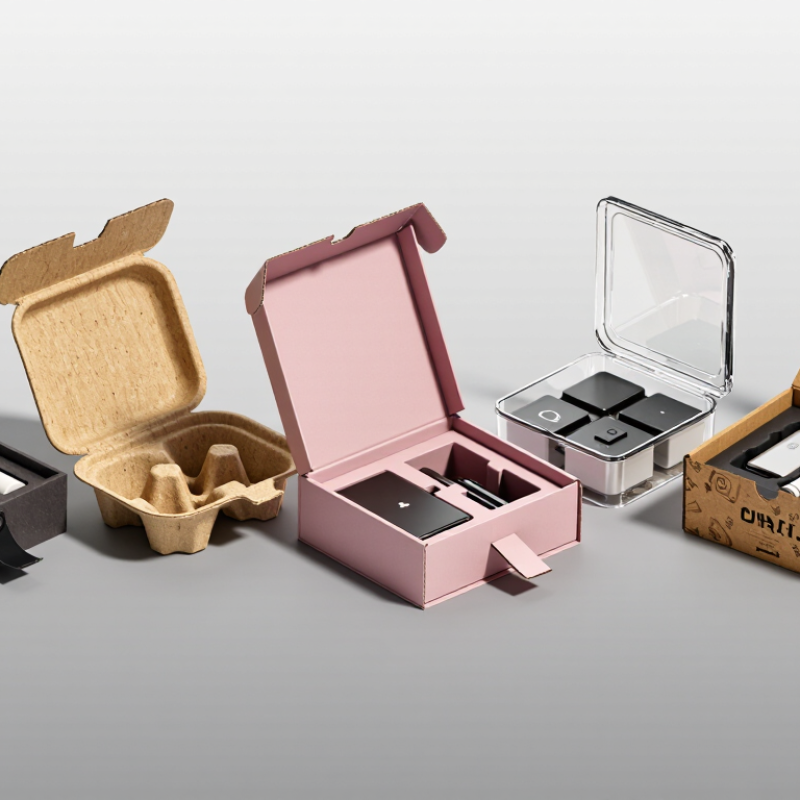
Defining Specialty Boxes and Their Role in Global Buying
Specialty boxes are packaging solutions designed for products that standard cartons cannot protect or present properly. Their shape, material, cushioning, and closing system serve a specific purpose. Some include moisture resistance, temperature control, reinforced corners, or fitted interiors. Others support fragile components, unusual dimensions, or premium shelf presentation.
The definition is functional, not decorative.
For global buyers, specialty boxes connect product protection with purchasing risk. A correctly sized box can reduce movement, breakage, and unnecessary shipping volume. Buyers often compare samples, compression strength, material thickness, and printing accuracy before approving an order. They should also review packing instructions and destination requirements. A box suitable for a dry warehouse may fail during humid ocean transport. Small errors matter.
In 2026, experienced procurement teams may use digital specification sheets and sample testing together. Digital records improve consistency, but they cannot replace physical inspection. Reliable suppliers should provide clear material details, measured dimensions, test results, and traceable production information. Requirements can differ by destination, so buyers must verify current packaging and recycling rules locally. I have seen attractive packaging create avoidable costs because its inner fit was poor. No box is perfect. A lighter structure may reduce freight weight but weaken protection. A stronger design may increase cost and storage space. Good buying decisions depend on balancing these trade-offs with evidence, not assumptions.
Key Categories of Specialty Boxes in 2026
In 2026, specialty boxes are becoming more functional, traceable, and market-specific. Global buyers increasingly compare protection, material use, and customer experience together. Rigid presentation boxes suit premium gifts, cosmetics, and collectible products. Their dense boards provide strength and a substantial opening experience. Folding cartons remain practical for retail products and international shipping. They use less storage space. However, premium appearance can increase material consumption. That trade-off deserves honest review.
Subscription boxes now require flexible inserts and reliable monthly packing. Adjustable dividers can protect different product sizes without creating excessive void space. Protective mailer boxes help smaller products move through complex delivery networks. For temperature-sensitive goods, insulated specialty boxes need tested liners and secure closures. Recyclable insulation is improving, but performance varies between climates. A warm warehouse may expose weaknesses quickly. Sampling under realistic conditions is essential.
Luxury, seasonal, and event boxes often use sleeves, drawers, windows, or magnetic closures. These details support storytelling, yet they can add weight and recycling challenges. For global procurement, buyers should check material declarations, compression results, moisture resistance, and clear labeling space. Local languages and handling instructions also affect box design. A perfect-looking sample can still fail during pallet stacking. Small defects matter. Packaging teams should test opening speed, insert fit, and disposal steps with actual users. Even experienced buyers may overlook these practical moments.
How to Compare Materials, Design, Quality, and Sustainability
What Are the 2026 Best Specialty Boxes for Global Buyers?
For global buyers, a specialty box should balance appearance, protection, and measurable sustainability. Start with the material. Recycled paperboard suits lightweight products, while rigid board offers stronger structure and premium handling. The OECD’s Global Plastics Outlook identifies packaging as the largest source of plastic waste, representing about 40% of total plastic waste in 2019. This makes material reduction important, not merely material replacement.
Design must support real shipping conditions. Check compression strength, moisture resistance, closure security, and interior fit. A beautiful box can still fail during humid warehouse storage. Quality reviews should include drop testing, print consistency, edge finishing, and batch inspection. In my sourcing experience, small tolerances often create expensive returns. That lesson is easy to underestimate. Sustainability claims also need evidence. Ask for recycled-content records, responsible-fiber certification, recycling guidance, and life-cycle information. McKinsey’s 2023 packaging research found that 60% to 70% of surveyed consumers would pay more for sustainable packaging. However, customer interest does not excuse vague claims.
Tips: Request a sample before ordering. Test it with the actual product. Compare flat-pack shipping volume. Review supplier quality records. Prefer simple structures when possible. “Eco” is not a specification. Calculate material weight, production waste, and transport impact together. A box using less plastic may require heavier paper, so the result deserves careful checking. There is no perfect format, only a better-supported choice.
Selecting the Best Specialty Box for Each Global Market
What Are the 2026 Best Specialty Boxes for Global Buyers?
Selecting the Best Specialty Box for Each Global Market
The best specialty box is not identical in every country. Buyer expectations, climate, customs procedures, and household habits can change the right choice. A practical evaluation should begin with local demand, not attractive packaging. Climate matters. Heat-sensitive contents need insulated liners, moisture barriers, or shorter delivery routes. In humid regions, sturdy cartons and sealed inner packs can prevent damage during storage.
Food preferences also require careful research. A box designed for one market may contain unwanted allergens, excessive sweetness, or unfamiliar ingredients elsewhere. Check ingredient labels, language requirements, shelf life, and recognized safety documentation before placing a large order. Ask before shipping. Regional surveys, retailer feedback, and small pilot orders often reveal preferences that online data misses. My purchasing experience suggests that ten carefully tested boxes can teach more than one large shipment.
Premium presentation still matters, but practicality builds repeat sales. Buyers may prefer reusable packaging, compact dimensions, and clear recycling instructions. In urban markets, a narrow box may fit apartment delivery lockers better than a larger luxury format. In rural areas, stronger outer packaging may be more valuable than decorative inserts. Sustainability claims also need evidence, such as material details and traceable suppliers. No selection method is perfect. Consumer tastes shift, and early assumptions can be wrong. Review returns, delivery damage, and customer comments every quarter, then adjust the box for each market.