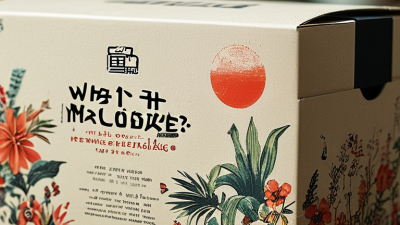
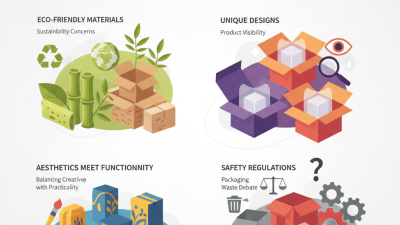
Personalized packaging is more than printing a customer’s name on a box. It combines thoughtful design, relevant messaging, and practical packaging choices to create a more memorable delivery experience. A small business might use a kraft mailer with a handwritten-style note, a custom tissue color, or a QR code leading to care instructions. These details can make an ordinary parcel feel considered.
The value of personalized packaging appears across branding, customer experience, and operational planning. Packaging professionals examine product protection, unboxing behavior, material costs, accessibility, and environmental impact before recommending a design. A premium appearance means little if the box arrives damaged or creates unnecessary waste. Reliable brands test printed colors, folding strength, adhesive performance, and customer responses before expanding a packaging program. Real experience matters here. A beautiful prototype may behave poorly in a busy warehouse.
Personalization can strengthen recognition and encourage repeat purchases, but it is not a magic solution. Overly bright graphics may conflict with a brand’s identity. Excessive inserts may frustrate customers who prefer simple, recyclable deliveries. Data-driven customization also requires careful handling of customer information and clear consent practices. These limits deserve attention. The strongest personalized packaging feels useful, honest, and proportionate to the product. This guide explores what personalized packaging means, why businesses invest in it, and how thoughtful choices can support trust without sacrificing quality, efficiency, or sustainability.
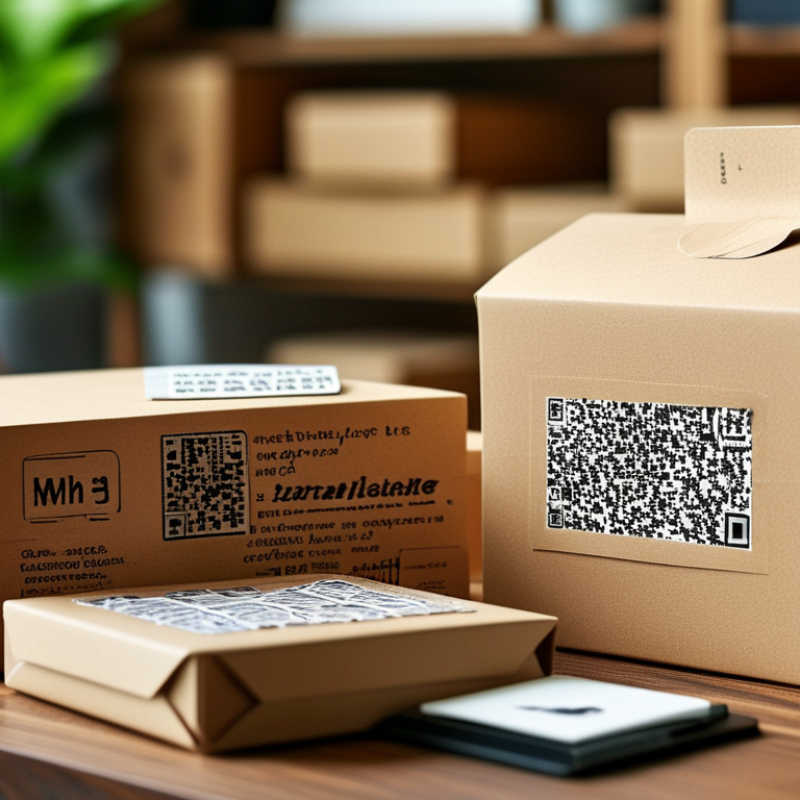
Personalized packaging means packaging designed to address a specific person, audience, moment, or purchase context. It goes beyond printing a customer’s name. The scope includes tailored messages, regional artwork, seasonal graphics, customized sizes, and interactive elements such as QR codes. The package becomes part of the communication, not merely a protective shell.
Several core formats appear in practice. Variable-data digital printing can change names, images, colors, or serial messages across one production run. Limited-edition sleeves create urgency around holidays, events, or community themes. Structural personalization changes the box shape, opening experience, or internal layout for a particular product. Connected packaging adds a scannable code that can provide instructions, product history, or tailored content. Smithers’ report, The Future of Digital Print for Packaging to 2028, forecasts the digital packaging print market could approach 37 billion dollars by 2028, showing why flexible customization matters commercially.
The business case is also linked to rising expectations. McKinsey’s 2021 Next in Personalization report found that 71% of consumers expect personalized interactions, while 76% feel frustrated when they do not receive them. Packaging can answer that expectation at the physical doorstep. However, personalization is not automatically useful. A name printed on a box may feel careless if the material is excessive or the message lacks relevance. Not every box needs it. Designers should test legibility, production accuracy, accessibility, and recycling compatibility. Sometimes, a simpler package works better.
Personalized packaging begins with usable data, not guesswork. A customer’s region, purchase history, and preferred language can guide relevant choices. However, data is often incomplete or outdated. A recent address may still fail after a move. Consent and careful handling matter. Teams should collect only the information needed for the packaging experience. This reduces errors and supports trustworthy decisions. Simple rules often work better than complicated predictions. Keep it human.
Design turns those decisions into visible details. A name, color variation, or short message can appear on a box, sleeve, or insert. The layout must remain readable at actual shipping size. I recommend testing a physical sample before approving the file. Digital previews can hide weak contrast and cramped text. Printing adds another layer of judgment. Variable data printing can produce different artwork in one production run. Yet small errors may repeat across hundreds of packages. Proofing, barcode checks, and color checks reduce that risk. Test it physically. Fulfillment connects personalization with the real customer journey. Staff need clear packing instructions, accurate item matching, and a fallback process. Some packages will still need correction. That is where review matters: measure misprints, returns, and customer responses, then adjust the next run.
Personalized packaging uses customer data, tailored design, variable-data printing, and flexible fulfillment to create packaging that feels more relevant to each recipient. Consumer research shows that people increasingly expect personalized experiences and may respond negatively when they do not receive them.
Survey findings: 71% of consumers expect companies to deliver personalized interactions; 76% feel frustrated when this does not happen; 80% are more likely to make a purchase when brands offer personalized experiences. Sources: McKinsey & Company, 2021; Epsilon, 2018.
Personalized packaging turns an ordinary box, pouch, or sleeve into a more relevant customer touchpoint. It may use a name, regional artwork, a preferred color, or a message linked to an occasion. The goal is not decoration alone. It is recognition. A widely cited McKinsey study reports that 71% of consumers expect personalized interactions, while 76% feel frustrated when companies do not provide them. Those figures describe broader customer experiences, not packaging alone. That distinction matters.
Packaging is often the first physical moment after an online purchase. A carefully chosen insert can acknowledge a first order, explain disposal steps, or invite useful feedback. Variable printing makes small production runs more practical, but personalization still needs restraint. Too much data can create an uncomfortable feeling. A customer may wonder how their preferences were collected. Clear consent, limited information, and honest wording build more trust than forced familiarity. Keep it useful. Good packaging should open easily, protect the product, and communicate without slowing the customer down.
In testing, simple changes are easier to evaluate than dramatic redesigns. Compare a generic thank-you message with one tied to a customer’s stated interest. Track repeat purchases, complaints, damaged deliveries, and survey responses. Do not measure clicks alone. A beautiful package can still waste material or frustrate someone with weak seals. Personalization also has limits. Not every customer wants their name printed in large letters. The strongest approach leaves room for choice, accessibility, and correction when assumptions are wrong. That is where many campaigns become more human, though the results may be less spectacular than expected.
Personalized packaging turns an ordinary delivery into a more relevant customer experience. It may include a customer’s name, a preferred color, a tailored message, or an insert based on past choices. These details are small, but they appear during a highly physical moment: opening the box at a kitchen table or beside a front door.
The emotional effect is significant. McKinsey’s 2021 personalization research found that 71% of consumers expect personalized interactions, while 76% feel frustrated when companies do not provide them. That frustration can reach the package itself. A generic box may suggest that the customer is only an order number. A thoughtful design can communicate recognition instead. Accenture’s Personalization Pulse Check also reported that 91% of consumers prefer companies that remember their needs and offer relevant recommendations.
Still, personalization is not magic. A printed name alone may feel careless. Packaging must also be useful, clear, and easy to recycle. Over-customization can create waste, increase production errors, and make the experience feel intrusive. This is where many teams need more restraint. The strongest approach combines customer data with practical design choices, such as adjustable inserts, localized messages, or reusable components. Measure the result through repeat purchases, unboxing feedback, and return reasons. Sentiment matters, but operational evidence matters too.
What Is Personalized Packaging and Why Does It Matter?
Personalized packaging adapts a box, label, or insert to a specific customer or audience. A printed name can make an ordinary delivery feel carefully prepared. Seasonal colors or local messages can also improve relevance. Yet every variation adds planning work. The trade-off begins here.
Short production runs often cost more per unit. They may require separate artwork, approval checks, and additional warehouse bins. Digital printing can reduce setup waste, but it may use more materials for small batches. Customized inserts also increase package weight, which can raise transport emissions. Recyclable paper does not solve everything. A larger box, extra ink, or mixed materials can weaken the sustainability benefit. In practice, teams should compare the full package, not one attractive material claim. I would question any design that looks premium but creates frequent misprints or returns.
Personalization usually depends on customer data, including names, preferences, or purchase history. Businesses should collect only what the experience genuinely needs. Clear consent and limited access reduce privacy risks, but they do not remove customer concerns. Some people may dislike seeing personal details printed on a doorstep. Measurement is another difficult area. Track conversion, repeat orders, complaints, disposal feedback, and packaging damage. Use a control group when possible. Otherwise, a campaign may receive credit for seasonal demand or a price change. A practical pilot can expose these weaknesses before the design reaches every shipment.
| Business Dimension | Real-World Data Point | What It Means for Personalized Packaging | Potential Benefit | Trade-Off or Risk | Source |
|---|---|---|---|---|---|
| Packaging waste volume | 82.2 million U.S. tons of containers and packaging were generated in 2018. | United States; 2018 EPA estimate. | Shows why packaging design, material reduction, and efficient right-sizing are material business decisions. | Adding decorative layers, inserts, or unique components can increase material use and disposal volume. | U.S. EPA |
| Packaging recycling rate | Paper and paperboard packaging had a 68.2% recycling rate in the United States in 2018. | United States; EPA material-specific estimate. | Fiber-based personalized packaging can have comparatively strong recovery potential where local collection systems accept it. | Recycling performance depends on local infrastructure, coatings, labels, adhesives, inks, and contamination. | U.S. EPA |
| Plastic packaging recycling | Plastic containers and packaging had a 13.1% recycling rate in the United States in 2018. | United States; EPA estimate for plastic containers and packaging. | Encourages careful material selection when personalization would otherwise require plastic components or mixed-material formats. | A visually distinctive package may be difficult to recycle if it combines incompatible plastics or non-removable elements. | U.S. EPA |
| Packaging material intensity | Packaging represented approximately 40% of global plastic use in 2015, according to OECD analysis. | Global estimate; OECD publication using 2015 data. | Small design decisions—such as reducing empty space, removing unnecessary components, and using lighter structures—can scale across large volumes. | Personalized structures may require additional tooling, production changeovers, or protective material. | OECD |
| Consumer willingness to pay for sustainability | Consumers surveyed globally reported that they were willing to pay an average premium of 11% for sustainable products, according to a 2020 international survey. | Survey finding; not a guarantee of actual purchase behavior. | Sustainability-linked personalization may support value communication when claims are specific, credible, and relevant to the customer. | A premium may not offset higher unit costs, and vague environmental claims can create legal and reputational exposure. | IBM Institute for Business Value |
| Environmental claim substantiation | The U.S. FTC Green Guides state that unqualified “recyclable” claims should generally be qualified when recycling facilities are not available to at least 60% of consumers or communities where the item is sold. | U.S. marketing guidance; the threshold applies to the FTC’s guidance framework. | Personalized messages can explain disposal instructions and local limitations instead of using broad, unqualified claims. | Environmental claims require evidence and may need geographic or material-specific qualifications. | U.S. Federal Trade Commission |
| Personal-data governance | Under the GDPR, personal data includes information relating to an identified or identifiable natural person; processing must have a lawful basis and follow principles such as purpose limitation and data minimization. | European Union and European Economic Area regulatory framework, with broader territorial effects in specified circumstances. | Packaging can use a customer’s name, preferences, or location only within a defined purpose and appropriate governance process. | Exposing names, purchase history, health-related information, or location details on an outer package can create privacy and delivery risks. | European Union GDPR |
| Data breach notification threshold | GDPR Article 33 generally requires notification of a personal-data breach to the supervisory authority within 72 hours after becoming aware of it, unless the breach is unlikely to result in a risk to individuals. | EU GDPR requirement. | Using less personal information in packaging workflows can reduce the amount of sensitive data exposed in production and fulfillment systems. | Personalized packaging adds data-handling steps across design, printing, warehousing, and logistics. | GDPR Article 33 |
| Measurement of incremental impact | A randomized controlled trial is the strongest common design for estimating causal impact when it is feasible, because random assignment reduces systematic differences between comparison groups. | General experimental-design principle. | Run holdout tests comparing personalized and standard packaging while controlling for product, channel, season, and customer segment. | Short-term conversion or repeat-purchase gains may be confounded by promotions, seasonality, shipping changes, or customer selection. | National Academies: Experimental Design Principles |
| Recommended measurement scorecard | Track at least five metrics: incremental revenue, contribution margin, material mass per shipment, fulfillment error rate, and privacy or compliance incidents. | Operational measurement framework; metrics should be defined before launch. | Balances customer response with cost, environmental performance, operational reliability, and risk. | Optimizing one metric alone can produce misleading results—for example, higher sales with lower margin or more engagement with greater material use. | GHG Protocol Product Standard |
| Interpretation note: The figures above describe published estimates, regulatory requirements, or research findings with stated geographic and time limits. They should be used as decision inputs rather than universal forecasts. Actual results depend on package format, production volume, customer segment, recycling access, data practices, and local law. | |||||