How to Create Packaging for Your Product?

Creating effective packaging begins with understanding the product, the customer, and the moment of use. A glass skincare bottle needs protection from impact, while a snack package must preserve freshness and open easily. Good packaging does more than display a logo. It communicates quality, supports safe handling, and creates a clear experience from shelf to home.

To create packaging responsibly, start with accurate product measurements and realistic shipping conditions. Record the product’s length, width, height, and weight. Then choose materials that balance strength, appearance, cost, and environmental impact. A sturdy mailer, fitted insert, and readable label can prevent many avoidable returns. Small details matter. Test the package with drops, moisture, stacking, and repeated opening. These tests reveal weaknesses that computer images often hide.

Experience also teaches an uncomfortable lesson: attractive packaging can still fail. A beautiful box may waste material, frustrate customers, or arrive crushed. I have seen designs that looked excellent on a screen but felt awkward in real hands. That gap deserves honest review. Ask independent users to handle the package without instructions. Watch where they hesitate. Check whether warnings, ingredients, care details, and disposal guidance remain readable. Packaging should support reliable product information and follow applicable safety, labeling, and accessibility requirements. Thoughtful decisions may not look dramatic, but they build trust. The strongest package protects the product, respects resources, and makes the customer feel understood.

How to Create Packaging for Your Product?

Define Your Product, Audience, and Packaging Goals

Creating packaging starts with defining the product clearly. Is it fragile, oily, heavy, or sensitive to light? A 250-gram powdered product may need a moisture barrier, a stable seal, and a readable measuring guide. Packaging should protect the contents during transport and storage. It should also reflect the product’s real value, not an exaggerated promise.

Know the intended audience in practical terms. A busy parent may prefer a wide opening and simple instructions. An older customer may need larger type and stronger contrast. A gift buyer may care more about texture, structure, and shelf appearance. Observe how people hold the package, where they hesitate, and what information they search for. Assumptions can be wrong.

Packaging goals should be specific and measurable. Reduce damage, improve shelf recognition, lower material use, or make opening easier. These goals can conflict. Thinner material may reduce cost but weaken protection. Test a physical sample with drop checks, moisture exposure, and repeated opening. My early mockups looked attractive but were awkward to hold. That mistake changed the handle shape. A package can look impressive in a design file and fail in a kitchen, delivery box, or crowded store. Review the result with real users, then revise without defending every design decision.

How to Create Packaging for Your Product?

Define Your Product, Audience, and Packaging Goals

Packaging goals should reflect the product’s function, the audience’s expectations, and the material’s end-of-life performance. In the United States, paper and paperboard packaging had the highest recycling rate in 2018, while plastic packaging had a much lower rate. These figures can help guide decisions about recyclability, material selection, labeling, and package structure.

Source: U.S. Environmental Protection Agency, Advancing Sustainable Materials Management: 2018 Fact Sheet. Recycling rates shown are for packaging materials in the United States.

Choose Packaging Materials, Formats, and Structural Features

How to Create Packaging for Your Product?

Choose Packaging Materials, Formats, and Structural Features

Packaging begins with the product, not the artwork. Start with the product.

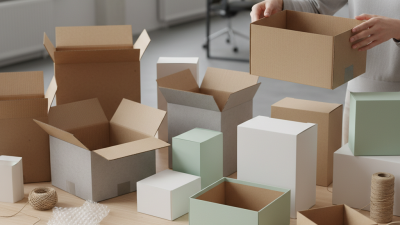
Choose materials based on protection, handling, cost, and disposal conditions. Paperboard suits lightweight goods and supports sharp printed details. Corrugated fiberboard offers stronger cushioning for shipping. Glass feels substantial but adds weight and breakage risk. Flexible films save space, yet they may be difficult to recycle. Check twice.

In my packaging projects, I test samples before approving a final structure. A drop test can reveal weak corners, loose closures, or crushed panels. Humidity testing matters for paper packaging stored in damp warehouses. Do not trust appearance alone. A beautiful package can still fail during transport. I once selected a thin carton that looked efficient, but its bottom opened under load. The lesson was uncomfortable and useful.

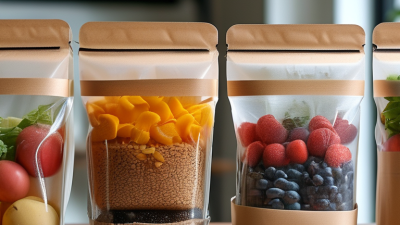
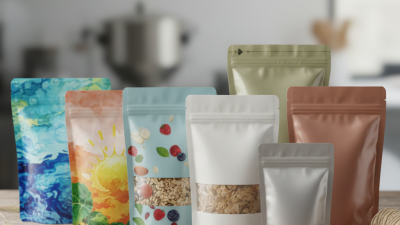
Formats should match the buying and opening experience. A rigid box can create a premium presentation, while a folding carton ships flat and reduces storage volume. A pouch works well when low weight and resealing matter. Structural features should guide the user without unnecessary complexity. Try tuck flaps, locking tabs, windows, handles, or internal dividers. Measure twice. Leave enough space for the product, protective material, and label information. Test the opening motion with wet, cold, or gloved hands when relevant. Edges should feel smooth, and closures should resist accidental opening. Verify material claims, recycling instructions, and required product information with qualified compliance specialists before production.

Develop the Visual Design and Required Product Information

Packaging should explain the product before customers read the fine print.

Build the visual system around one clear promise, not several competing claims. Use contrast, spacing, and type hierarchy to guide the eye from product name to benefit and proof. Keep the product visible when possible.

A 2020 McKinsey survey across ten countries found that 60–70% of consumers would pay more for sustainable packaging. This supports restrained material choices, but it does not excuse vague environmental language.

Required information needs equal design discipline.

Create a content map before artwork begins. Reserve stable zones for product identity, net quantity, ingredients or materials, usage directions, warnings, origin, contact details, lot code, and date marking. Make mandatory text readable at the smallest viewing distance.

Barcodes need quiet space. Do not bury instructions under decorative graphics. Regulatory requirements differ by market, so verify claims and label fields with a qualified compliance reviewer.

A NielsenIQ 2023 sustainability report found that 78% of global respondents consider a sustainable lifestyle important. Yet shoppers still need evidence.

Show material composition where possible. Use a scannable QR code for deeper sourcing or recycling details, but never as a substitute for required print. Test the pack in a real hand, under weak shelf lighting, and beside competing colors.

The first version may look too quiet. That can be useful. Question every badge and oversized claim.

A beautiful package can still confuse.

Create Prototypes and Test Packaging Performance

How to Create Packaging for Your Product?

Create Prototypes and Test Packaging Performance

A strong package begins with a practical prototype, not a polished drawing. I usually build several versions with different board thicknesses, closures, and internal supports. Each prototype should fit the product closely. Extra space can allow movement, while tight spaces may create pressure marks. Small details matter. A loose flap can weaken the whole structure.

Test the package in conditions that resemble real handling. Drop filled samples from different heights and angles. Apply compression to imitate stacked cartons in storage. Add vibration testing for products transported over long distances. Check seals after exposure to humidity and temperature changes. Measure dents, cracks, leakage, shifting, and opening force. Record every result with photographs and clear measurements.

Appearance can mislead you. One early prototype looked excellent but failed after a corner drop. I had focused too much on the surface finish. That mistake changed the testing order. Performance now comes before decoration. Still, testing is never perfect. A laboratory setup cannot reproduce every warehouse, vehicle, or customer interaction. Repeat weak tests, invite independent reviewers, and keep failed samples for comparison. Use reliable materials and document their specifications. When results conflict, investigate the test method instead of hiding the problem. A package earns trust through evidence, not attractive claims.

Finalize Production Details, Compliance, and Quality Control

Creating packaging for your product requires more than attractive artwork. Before approving production, prepare a clear specification sheet. Include dimensions, material grade, closure style, print colors, finishes, and acceptable tolerances. A one-millimeter change can affect stacking, sealing, or product protection. Ask the manufacturer to confirm every detail in writing. Keep the approved artwork, prototype, and signed production sample together. Small details matter.

Compliance should be checked before the order enters mass production. Review ingredient or material declarations, required warnings, recycling information, net quantity, and traceability details. Requirements can differ between markets, so consult a qualified regulatory reviewer for each destination. Never rely on an old template. If packaging touches the product, request suitable safety documentation from the material supplier. Test under real conditions.

Quality control needs measurable checkpoints. Inspect samples from the first run and compare color, dimensions, seal strength, barcode readability, and surface finish. Drop, compression, moisture, and scuff tests can reveal problems that photos miss. Record batch numbers, inspection results, corrective actions, and retained samples. A practical weakness is rushing the final review when production deadlines tighten. That pressure can hide costly defects. Leave time for an independent sign-off, even when the sample looks perfect. Some errors survive one review. Recheck the details that seem obvious.