What Is Box Packaging Design and How Does It Work?
Box packaging design turns a product container into a practical brand experience. It combines structure, graphics, materials, protection, and customer expectations. Lars Wallentin, former packaging design director at Nestlé, famously said, “Packaging is the product.” His statement remains useful because shoppers often judge quality before opening the box.
A well-designed package begins with the product’s physical reality. A dieline defines the folds, panels, tabs, and cutting points. Paperboard thickness affects strength and folding accuracy. Matte coating can create a soft visual impression, while spot gloss can highlight a logo or product image. Inside, an insert may prevent movement during delivery. Small details matter.
Box packaging design also works through testing. Designers build physical prototypes, check shelf visibility, measure opening effort, and simulate shipping pressure. A beautiful box that arrives crushed has failed. A recyclable box that needs excessive plastic inserts also deserves reconsideration. These problems are not always visible on a screen.
The process is less perfect than many guides suggest. Customer habits differ. Printing colors can shift. A clever opening mechanism may frustrate someone with limited hand strength. Cost, sustainability, protection, and visual appeal can conflict. Good design accepts these tensions and tests them honestly.
This article explains how box packaging design works, from early research and structural planning to artwork, production, quality control, and customer use. It focuses on decisions that can be seen, measured, and improved. The goal is not merely an attractive box. It is a reliable, memorable, and responsible experience.
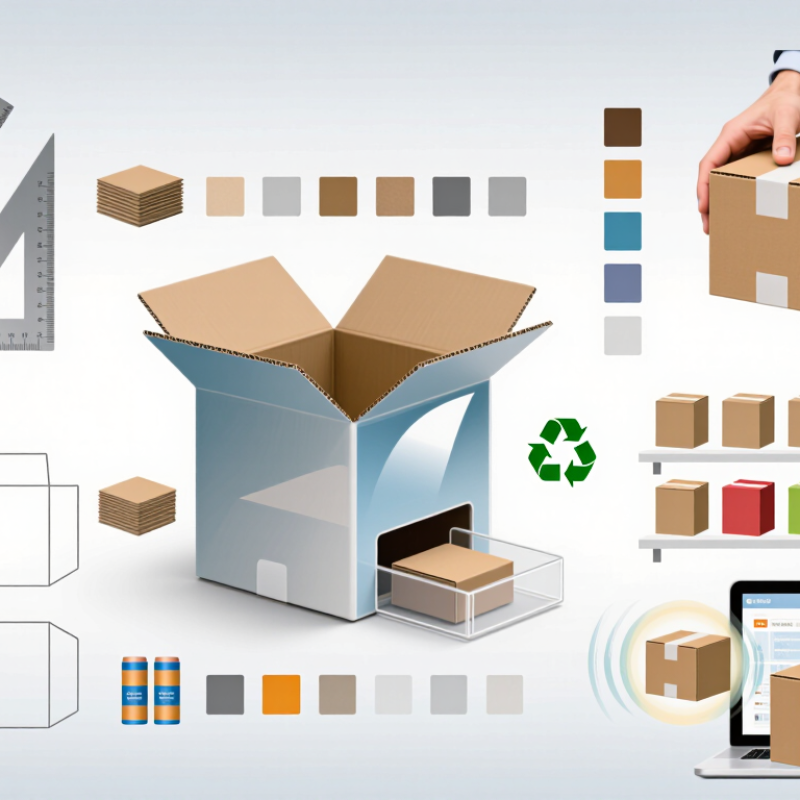
What Box Packaging Design Means and What It Is Used For
Box packaging design is the planning of a package’s shape, structure, graphics, and printed information. It turns a flat sheet of paperboard into a protective container with a clear purpose. The design must fit the product, support safe handling, and communicate useful details at a glance. A strong package often guides the customer through opening, storing, and using the product.
Packaging is used for protection, presentation, identification, and practical communication. A well-designed box can reduce movement inside, prevent surface damage, and make stacking easier during transport. Its color, typography, images, and spacing also influence how people understand the product. In real production, small choices matter. A few millimeters can affect folding accuracy. A beautiful layout may still fail if text becomes unreadable on a curved panel. That is where design testing becomes essential.
Tips:
Check the box with a physical sample before approval. Test opening it with one hand. Measure the product, interior space, and closing tabs carefully. Keep required information visible and easy to read. Avoid adding decorative elements that weaken the structure. Designers sometimes focus too heavily on appearance, and that is a mistake worth reviewing. A practical package should feel stable, open smoothly, and explain itself without unnecessary effort.
How Box Packaging Design Moves from Concept to Prototype
Box packaging design turns a product idea into a physical experience. The process usually begins with product measurements, user needs, and shipping conditions. A designer studies the item’s weight, fragile areas, and opening behavior. These details shape the box structure, material choice, and internal support.
The first concept may appear as sketches, dielines, or simple digital models. Designers test panel sizes, folding points, and closure methods before choosing a direction. A paper mockup can reveal problems that software misses. It may collapse too easily. It may also waste material. Small errors matter.
A prototype then moves through several practical checks. The team builds a full-size sample with the intended board thickness and print finish. They test assembly time, product fit, edge strength, and visibility on a shelf. Drop testing helps expose weak corners, while compression testing shows whether stacked boxes can survive handling. A color proof checks how ink appears on the actual surface.
The first prototype is rarely perfect. That is useful. Designers may adjust the locking tab by two millimeters or add a small insert for better stability. Sometimes a visually attractive structure is inconvenient to open. Feedback from production staff and real users can change the design again. Careful records of each revision make the process more reliable and prevent repeated mistakes.
From Concept to Prototype: Corrugated Flute Height in Box Packaging Design
Flute selection affects box cushioning, rigidity, print surface, and the final prototype’s dimensions. The values below are commonly used nominal flute heights for single-wall corrugated board.
How it works: Designers choose a board structure based on product weight, protection requirements, stacking needs, and available space. The selected flute height is then incorporated into the dieline before a physical prototype is produced and tested.
How Materials and Printing Methods Affect Box Performance
What Is Box Packaging Design and How Does It Work?
Box packaging design combines structure, material choice, printing, and product protection. The material often decides how a box performs. Corrugated board resists compression because its fluted center creates space between paper liners. A thicker board can protect heavier products, but it also increases cost and shipping weight. A heavy board is not always better.
Moisture changes the calculation. Humid storage can weaken paper fibers and reduce stacking strength. For that reason, packaging evaluations should test boxes under realistic temperature and humidity conditions. Recycled fiber can support sustainability goals, yet its strength may vary between batches. That detail deserves attention. Small changes in board caliper can affect folding, sealing, and fit.
Printing methods also influence performance and appearance. Flexographic printing works efficiently on corrugated surfaces and supports large production runs. Offset printing can create sharper images, especially when mounted onto a paperboard sheet. Digital printing suits shorter runs and variable designs, though color consistency may require closer inspection. Ink coverage, drying time, and protective coatings can change a box’s surface friction. A glossy coating may improve appearance, but it can make stacking less stable. Screen approval is useful, but physical samples reveal problems that digital files cannot. Good design remains a balance between protection, production limits, shelf visibility, and honest testing.
How Packaging Boxes Protect, Present, and Support Products
Box packaging design is the planned process of shaping, strengthening, and presenting a product container. It begins with the product’s size, weight, fragility, and handling conditions. A well-designed box holds the item firmly without crushing it. Internal inserts can prevent movement, while layered paperboard can reduce dents and moisture exposure. Small details matter. A loose fit may cause scratches during delivery.
Protection is only one part of the box’s role. Its surface introduces the product through color, structure, texture, and readable information. A clean opening experience can make the product feel dependable before use. However, attractive printing cannot repair weak construction. Designers should test folding strength, stacking pressure, edge damage, and repeated handling. Drop tests and vibration tests often reveal problems that look invisible on a design screen.
Packaging also supports storage, transport, and product use. Flat panels can improve warehouse stacking, while clear opening instructions reduce frustration. A resealable feature may help customers store the item after opening. Yet every added layer increases material use and production cost. That trade-off deserves honest review. A box may protect perfectly but still waste space. Another may look simple but fail near a crushed corner. Real testing, measured specifications, and feedback from users help designers improve the next version.