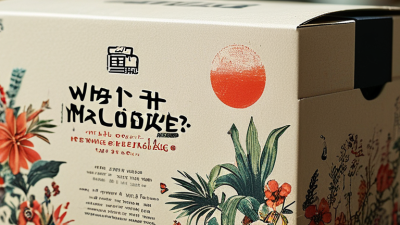
Global buyers do not see packaging as decoration alone. They read it as a promise about quality, care, and reliability. A well-planned personalized packaging program can make a familiar product feel relevant in Seoul, Toronto, or Nairobi. Yet global appeal is not created by adding a buyer’s name to a box. It requires practical research, accurate translation, suitable materials, and a clear understanding of local shopping habits. These ten tips explore how brands can adapt packaging without losing consistency. They draw on common sourcing concerns, including print accuracy, shipping protection, accessibility, and responsible material choices. Small details matter. A tight mailer, a readable label, and a color that survives digital previews can influence trust before the product is opened.
Experienced packaging teams usually begin with samples, not assumptions. They test folds, adhesives, ink performance, barcode scans, and damage after realistic transport. A carton that looks strong in a studio may arrive crushed after humidity, stacking, and repeated handling. That lesson is easy to miss. Buyer feedback should also shape the process, especially when personalization creates more versions and more opportunities for errors. Names, languages, units, and recycling instructions need careful review by qualified local partners. Compliance requirements differ across markets, so brands should verify current rules with legal or packaging specialists. No single template works everywhere. Even a successful design may need revision after customer complaints or a costly return. The goal is not perfect appearance. It is dependable packaging that respects buyers, protects products, and remains practical at scale.

Define Global Buyer Needs and Personalization Goals
Global packaging personalization starts with evidence, not decoration. Buyers in different regions may value language, climate resistance, portability, or recycling guidance. McKinsey’s 2021 personalization research found that 71% of consumers expect personalized interactions. However, expectations do not justify adding every possible feature. A crowded package can confuse shoppers and increase production waste.
Tip: Interview buyers by market. Ask what they need before purchase, during delivery, and after opening. Record practical details, such as preferred measurements, carrying habits, storage space, and reading distance. Test translations with local users, not only automated tools. Small language errors can damage trust quickly. I have seen attractive packaging fail because instructions were technically correct but culturally awkward.
Personalization goals should be measurable. Choose one primary outcome, such as faster product recognition, fewer delivery errors, or stronger repeat purchases. PwC’s 2024 Voice of the Consumer Survey reported that many consumers are willing to pay more for sustainably produced goods. Yet sustainability claims need proof. Specify recycled content, material reduction, or disposal guidance, and verify each claim locally. Include accessibility goals, too, such as stronger contrast, tactile cues, and readable type. Do not assume one template fits every buyer. It rarely does. Pilot two or three regional versions, then compare scan rates, complaints, repurchase data, and packaging damage. The first result may be disappointing, but that is useful evidence.
A practical framework for aligning packaging personalization with regional requirements, customer expectations, and measurable business outcomes.
| No. | Global Buyer Need | Personalization Goal | Relevant Data Signals | Recommended Packaging Action | Suggested KPI or Benchmark | Standards and Compliance Consideration |
|---|---|---|---|---|---|---|
| 1 | Different languages and reading directions | Make instructions understandable and locally relevant. | Destination market, preferred language, script, literacy requirements, customer-support queries. | Create localized artwork templates with sufficient space for translated text, symbols, usage instructions, and regulatory information. | Translation-related support contacts; label-error rate; scan or instruction-completion rate. | Verify mandatory labeling rules in each destination market. Use recognized safety symbols where appropriate and validate translations with qualified reviewers. |
| 2 | Regional size, weight, and storage conditions | Reduce damage, shipping inefficiency, and handling friction. | Product dimensions, order quantity, transport mode, climate, warehouse handling, stacking limits. | Use right-sized packs, protective inserts, moisture barriers, and pallet patterns adapted to the destination supply chain. | Damage rate; dimensional-weight surcharge; cube utilization; warehouse handling time. | Test packaging performance for compression, vibration, shock, and environmental exposure using applicable transport-testing methods. |
| 3 | Recyclability and environmental expectations | Provide credible sustainability choices without misleading claims. | Material preferences, local collection systems, recycling infrastructure, disposal instructions, buyer sustainability criteria. | Prioritize material reduction, mono-material designs where suitable, removable components, and clear disposal guidance. | Packaging weight per unit; recycled-content percentage; material variety; recycling-related complaints. | Assess the full packaging system under the ISO 18601 packaging and environment series. Substantiate environmental claims with documented evidence. |
| 4 | Local cultural preferences and gifting customs | Increase cultural relevance while avoiding unintended meanings. | Color associations, seasonal events, gifting occasions, imagery preferences, focus-group feedback. | Offer region-specific color palettes, patterns, message panels, or seasonal sleeves after local cultural review. | Regional conversion rate; gift-purchase share; qualitative approval score; return reasons linked to presentation. | Use local reviewers and test designs with representative audiences before large-scale production. |
| 5 | Traceability and product authenticity | Help buyers verify origin, batch details, and product information. | Batch number, production date, market, serial data, authentication requests, supply-chain events. | Add variable data, serialized identifiers, or machine-readable codes linked to controlled product records. | Code scan rate; traceability completeness; suspected-counterfeit response time; data-match accuracy. | Follow applicable product-identification and data-protection requirements. Do not encode personal data directly in publicly visible codes. |
| 6 | Premium presentation and unboxing expectations | Create a consistent high-value experience at controlled cost. | Customer segment, purchase occasion, price tier, unboxing feedback, perceived-quality ratings. | Customize opening sequence, tactile finishes, inserts, messages, and protective details by segment or occasion. | Perceived-value score; repeat-purchase rate; unboxing-content engagement; packaging cost per order. | Ensure decorative additions do not compromise recyclability, product safety, or transport protection. |
| 7 | Accessibility and inclusive use | Make opening, reading, and handling easier for a wider range of users. | Grip strength, visual acuity needs, dexterity feedback, opening-force tests, customer assistance requests. | Improve contrast, tactile cues, font legibility, tear strips, resealable features, and opening instructions. | Task-completion rate; average opening time; assistance rate; accessibility satisfaction score. | Use human-centered design testing with diverse participants. Apply relevant accessibility and safety requirements for the product category. |
| 8 | Online fulfillment and delivery visibility | Protect products and support a reliable delivery experience. | Delivery distance, parcel dimensions, carrier handling, product fragility, delivery complaints. | Use protective right-sizing, tamper-evident closures where needed, and shipment-specific handling messages. | Damage-in-transit rate; delivery-related returns; packaging-to-product weight ratio; fulfillment time. | Validate the pack through distribution testing and ensure warnings or handling marks are visible and appropriate for the transport route. |
| 9 | Privacy and responsible personalization | Personalize without exposing sensitive or unnecessary customer information. | Consent status, data-minimization review, household or recipient preferences, retention period, opt-out requests. | Use preference-based messages and non-sensitive variables; avoid printing private information on outer packaging. | Opt-out rate; privacy incidents; data fields used per order; personalization engagement. | Apply data minimization, purpose limitation, access controls, and lawful processing principles under applicable privacy laws, including GDPR where relevant. |
| 10 | Cost, minimum order quantity, and production flexibility | Balance customization with scalable and predictable production economics. | Forecast volume, variant count, setup time, artwork changes, unit cost, inventory risk, lead time. | Use modular artwork, digital variable printing for small batches, shared structural components, and phased regional launches. | Cost per personalized unit; setup cost; lead time; obsolete inventory; forecast accuracy. | Document material specifications, artwork approvals, quality checks, and change-control procedures before production release. |
Segment customers by market, culture, and buying behavior before changing your packaging. A regional customer profile reveals useful differences. Track preferred sizes, colors, languages, and delivery habits. Local research should guide every design choice. For example, compact packages suit urban buyers with limited storage. Larger family formats may work better in household-focused markets. Use clear language and avoid symbols that may confuse local shoppers. Keep required product information easy to find and readable.
Buying behavior matters just as much. Some customers value premium textures and careful unboxing. Others prioritize low weight, easy opening, and recyclable materials. Offer packaging variations when order data supports them. Add protective inserts for fragile products and simpler wraps for repeat buyers. Test color preferences with small groups, not assumptions. Cultural meanings can change quickly across regions. A color that feels festive in one market may feel unsuitable elsewhere.
Measure damage rates, returns, reviews, and repeat purchases after each change. Ask buyers what felt useful, excessive, or unclear. Their comments often reveal problems that sales data misses. I have seen attractive packaging create unnecessary waste and higher shipping costs. That mistake is worth acknowledging. Personalization should improve the customer experience, not merely decorate the box. Review results with local specialists and update packaging as habits change. Make changes carefully, but keep testing.
Flexible packaging must adapt to regional preferences, not merely carry a universal design. Colors, symbols, serving sizes, and opening methods can communicate different meanings across markets.
CSA Research reports that 75% of consumers prefer to buy products in their own language. Therefore, translate instructions, warnings, and recycling guidance with local experts. Machine translation may sound efficient. It can still create confusion.
Tip: Build a modular design system. Keep the core structure consistent, then adjust language panels, closure types, sizes, and imagery by region. A resealable pouch may suit busy urban shoppers, while a smaller pack may fit markets with frequent, lower-volume purchases. Test prototypes with local users before production. Real feedback exposes awkward details.
Sustainability also needs regional flexibility.
PwC’s 2024 Voice of the Consumer Survey found that 46% of consumers buy more sustainable products, while respondents accepted an average 9.7% price premium. Yet recycling systems differ widely. Use clear material labels and avoid claims that local facilities cannot support.
The Sustainable Packaging Coalition recommends matching disposal instructions to actual regional infrastructure. That step is often missed.
Packaging teams should measure seal strength, shelf life, transport damage, and customer understanding in each target market. One design rarely performs equally everywhere. Reflect, revise, and document the evidence.
10 Personalized Packaging Tips for Global Buyers
Personalized packaging should fit the buyer’s market, not only the designer’s vision. McKinsey’s 2023 packaging research found that 60–70% of consumers may pay more for sustainable packaging. However, premium materials can damage margins and complicate supply. Start with one adaptable box size, a restrained color system, and localized labels. Keep structural designs identical across regions whenever possible. Use variable printing for language, care instructions, or seasonal details. This approach reduces tooling costs and simplifies quality checks.
Tip: Request a landed-cost estimate before approving artwork. Include materials, printing, freight, storage, duties, and expected waste. Smithers’ 2024 market outlook projects global packaging demand will exceed one trillion US dollars within the decade. Large demand increases supplier options, but not every supplier offers consistent quality. Ask for production samples, compression tests, and color tolerances. Our early samples looked impressive, but the closure failed after humid storage. That mistake was expensive.
Tip: Design for scalable production from day one. Choose common board grades, standard dimensions, and finishes available in several countries. Confirm minimum order quantities and backup production capacity. A small pilot can reveal assembly delays, barcode problems, and transit damage. Test before scaling. Cost savings matter, yet weak packaging creates returns, complaints, and reputational risk. Leave room for improvement; customization rarely becomes perfect in the first production cycle.
Balance customization with cost, quality, and scalability
The planning scores use a 1–10 framework that weighs buyer appeal, cost control, quality assurance, and production scalability equally. Standardizing core structures while customizing high-visibility elements usually provides the best balance for international packaging programs.
Personalized packaging must begin with verification, not decoration. A design that looks perfect on screen may fail during customs inspection. Check material rules, labeling requirements, recycling marks, and language expectations for each target market. Keep invoices, material declarations, test reports, and product dimensions together. Clear records reduce delays and support reliable buyer communication.
Logistics also shapes the package. Measure the packed carton, not only the empty box. A few extra centimeters can increase storage and transport costs. Use moisture-resistant protection for humid routes and stronger corners for long-distance handling. Test stacking with filled cartons. We once approved a light paper insert that bent during warehouse loading. It was attractive, but not practical. That mistake changed our testing process.
Customer feedback should guide regional personalization. Ask buyers about opening difficulty, damaged corners, unclear instructions, and unwanted materials. Collect comments through local sales teams, short surveys, and delivery follow-ups. Do not assume one market represents another. A compact package may please urban customers but frustrate older users with limited grip strength. Translate feedback carefully, then compare complaints by region and shipment type. Small pilot batches are safer than a global launch. Still, feedback can be incomplete, especially when silent customers never report problems. Regular review remains necessary.