What Are the Main Types of Packaging Bags?

Packaging bags are no longer simple containers for moving products. They protect food, medicine, cosmetics, pet supplies, and industrial materials through storage, transport, and retail display. Their design affects shelf life, handling, branding, and material use. This makes choosing the right packaging bags a practical engineering decision, not merely a marketing choice.

Industry data shows why this category deserves careful attention. Grand View Research valued the global flexible packaging market at approximately US$257 billion in 2023 and expects continued growth through 2030. Smithers, in The Future of Global Flexible Packaging to 2028, also identifies pouches and lightweight flexible formats as important growth areas. These reports cover flexible packaging broadly, rather than bags alone. That distinction matters. A stand-up pouch, a flat bag, and a woven polypropylene sack may all be called bags, but they serve different protection and filling needs. Common types include flat bags, side-gusseted bags, bottom-gusseted bags, stand-up pouches, paper bags, woven bags, and vacuum bags.

The choice becomes clearer when we examine real conditions. A coffee bag may need an oxygen barrier, a resealable zipper, and a one-way valve. A rice sack may require stronger seams and resistance to rough handling. A frozen-food bag must tolerate low temperatures without cracking. The Sustainable Packaging Coalition and the Ellen MacArthur Foundation both emphasize designing packaging for its full life cycle. Yet recyclability claims can be difficult in multilayer structures. Better packaging is not always the thinnest option. It must balance protection, production, transport, customer use, and responsible end-of-life planning. This guide explains the main types, their structures, and the situations where each format performs best.
What Are the Main Types of Packaging Bags?

Packaging Bags: Definition, Purpose, and Core Features

What Are the Main Types of Packaging Bags?

Packaging Bags: Definition, Purpose, and Core Features

Packaging bags are flexible containers made from paper, plastic film, woven fabric, or layered materials. They hold, protect, and present products during storage, transport, and sale. A suitable bag should match the product’s weight, moisture level, shape, and handling conditions. It should also support safe opening and convenient disposal.

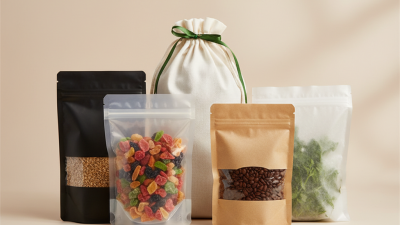
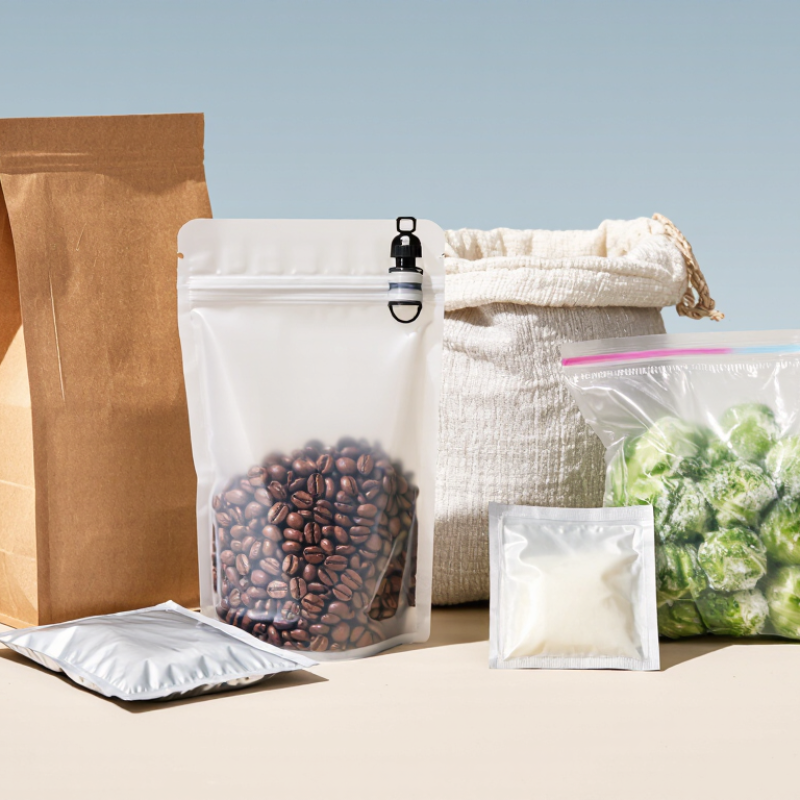
Common types include stand-up pouches, flat sachets, paper bags, woven sacks, and vacuum bags. Stand-up pouches save shelf space and often include resealable closures. Flat sachets suit small portions and single-use applications. Paper bags provide a firm surface for printing and handling. Woven sacks carry heavier goods, while vacuum bags reduce air around suitable products. Each format has limits.

Material selection matters greatly. A moisture-sensitive product may need a strong barrier layer. Sharp edges require puncture resistance. Heat sealing must remain consistent across the bag’s opening. During packaging checks, operators should inspect seals, folds, odors, and visible damage. Small defects can become major failures in transit. That lesson is easy to underestimate.

Packaging also communicates quality. Clear labeling, practical handles, and controlled dimensions improve user experience. Yet attractive design cannot replace reliable protection. A bag that looks excellent but tears easily is poorly designed. Testing should include stacking, dropping, opening, and storage simulation. Results may expose weaknesses that specifications overlook. Some assumptions will be wrong. Revising them is part of responsible packaging development.

Classification by Material: Paper, Plastic, Fabric, and Biodegradable Options

Packaging bags are commonly classified as paper, plastic, fabric, or biodegradable products. Each material balances barrier performance, cost, reuse, and disposal. Paper bags suit dry goods and short carrying cycles. Their folded seams feel firm, but moisture quickly weakens untreated paper. The FAO’s 2023 statistical report recorded approximately 401 million tonnes of paper and paperboard production in 2022, showing the scale of fiber supply.

Plastic bags provide excellent moisture resistance and low weight. They protect powders, liquids, and products requiring extended shelf life. However, packaging remains a major waste concern. The OECD’s Global Plastics Outlook reported 353 million tonnes of plastic waste in 2019, with packaging among the largest sources. Thin films are difficult to collect and sort. Lightweight is not harmless. That distinction is often missed.

Fabric bags, including woven and nonwoven formats, can withstand repeated shopping trips and heavier loads. Their benefit depends on reuse frequency, cleaning, and transport distance. The boundary is not always clean. Biodegradable bags may contain starch blends, cellulose, or other bio-based materials. The label alone proves little. UNEP’s 2023 report states that existing solutions could reduce global plastic pollution by 80% by 2040, requiring system-wide changes. Compostable bags may need controlled industrial facilities, while household disposal can produce disappointing results. A sound specification identifies the material, reuse cycles, and verified disposal route. Some choices remain uncertain. That uncertainty should be documented.

What Are the Main Types of Packaging Bags?

Classification by Material: Paper, Plastic, Fabric, and Biodegradable Options

This comparison summarizes common characteristics of major packaging-bag materials on a relative 1–5 scale, where 1 is low and 5 is high. Paper generally offers good recyclability and printability, plastic provides strong moisture resistance and durability, fabric supports repeated use, and biodegradable materials are designed to break down under suitable environmental conditions. Actual performance depends on the specific material, coating, product design, and local recycling or composting infrastructure.

Classification by Structure: Flat, Stand-Up, Gusseted, and Specialty Bags

What Are the Main Types of Packaging Bags?

Classification by Structure: Flat, Stand-Up, Gusseted, and Specialty Bags

In packaging trials, bag structure often determines filling speed, shelf presence, and storage efficiency. Flat bags are simple, lightweight, and economical. They usually contain dry goods, samples, or single-use portions. Their sealed edges create a slim profile, but they need external support during display. I have seen flat bags waste less material, yet they can slide easily on shelves.

Stand-up bags use a bottom gusset that opens when filled. This design improves stability and gives products a stronger retail appearance. Many include resealable closures, which help protect contents after opening. However, the closure must align precisely. A small sealing error can reduce convenience and product protection.

Gusseted bags expand through side or bottom folds. They hold larger volumes and fit efficiently around irregular products. Their folded panels also offer extra printable space.

Specialty bags solve more specific handling or barrier needs. Examples include spouted bags, vacuum bags, retortable formats, and bags with tear notches. Each option requires suitable films, seals, and filling equipment.

No structure is perfect. A flexible bag may save transport space but demand stricter quality control.

During evaluation, check drop resistance, seal strength, filling behavior, and storage conditions. A practical test with real product often reveals problems that drawings miss.

Packaging Bags by Application: Food, Retail, Industrial, and Medical Uses

What Are the Main Types of Packaging Bags?

Packaging bags change significantly according to their application.

In food packaging, pouches, vacuum bags, and stand-up bags help protect products from moisture, oxygen, light, and handling damage. A zipper closure supports repeated use, while a strong heat seal suits single-use portions. Frozen foods often need flexible materials that resist cracking at low temperatures. Seal quality matters. Food contact materials should be selected according to the product, filling process, and applicable safety requirements.

Retail packaging balances protection, appearance, and carrying comfort.

Flat paper bags, handled bags, and reusable fabric-style bags can support different shopping experiences. A small cosmetic item may need a neat, lightweight pouch, while heavier goods require reinforced handles and a stable base. In practical testing, a bag that looks strong may still tear around its handle. Fit matters. Designers should check weight, storage conditions, printing durability, and how customers actually carry the package.

Industrial bags focus on strength, capacity, and controlled handling.

Woven sacks, bulk bags, and heavy-duty liners may hold powders, granules, or components during transport. Their seams, lifting points, and dust protection need careful inspection. Medical packaging demands even tighter control. Sterile barrier bags, specimen bags, and clean protective pouches must support identification, sealing, and contamination prevention. Materials and processes should be validated, documented, and checked regularly. Not always. A lower-cost bag can create more waste when it fails during filling or delivery.

Key Selection Factors: Strength, Barrier Performance, Sustainability, and Cost

Packaging bags range from lightweight film pouches and paper sacks to woven bags and high-barrier laminated structures. Each type solves a different handling problem. Paper can support a natural appearance, but moisture weakens it quickly. Woven bags offer strong load resistance. Film pouches save space, though sharp products can puncture them.

Strength should match the product, filling line, transport distance, and stacking pressure. A bag that looks durable may still fail at a sealed corner. Barrier performance also needs careful testing. Oxygen, moisture, light, and aroma can shorten shelf life. Extra layers improve protection, but they often increase cost and complicate recycling. There is no perfect structure.

Sustainability claims need evidence. The OECD’s Global Plastics Outlook reported that only 9% of global plastic waste was recycled in 2019, while 22% was mismanaged. A recyclable bag may still be ineffective where collection systems are limited. Eurostat reported 188.7 kilograms of packaging waste per person in the European Union in 2021. Cost should include material, filling speed, transport volume, product loss, and disposal. A cheaper bag can become expensive after one damaged shipment. Pilot testing remains essential, and my own preference is not always the best answer. Databases, drop tests, seal tests, and real distribution trials should challenge every assumption.