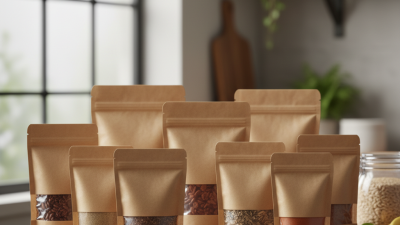
Kraft stand up pouches combine a paper-like appearance with a base that lets the package stand upright on a shelf. Their natural brown surface can suggest a simple, craft-focused brand, while printed finishes offer room for stronger colors and clear product information. The familiar look is only part of the decision. “Kraft” describes the paper, not the pouch’s full protective structure, so layers and seals matter too. Small details matter.
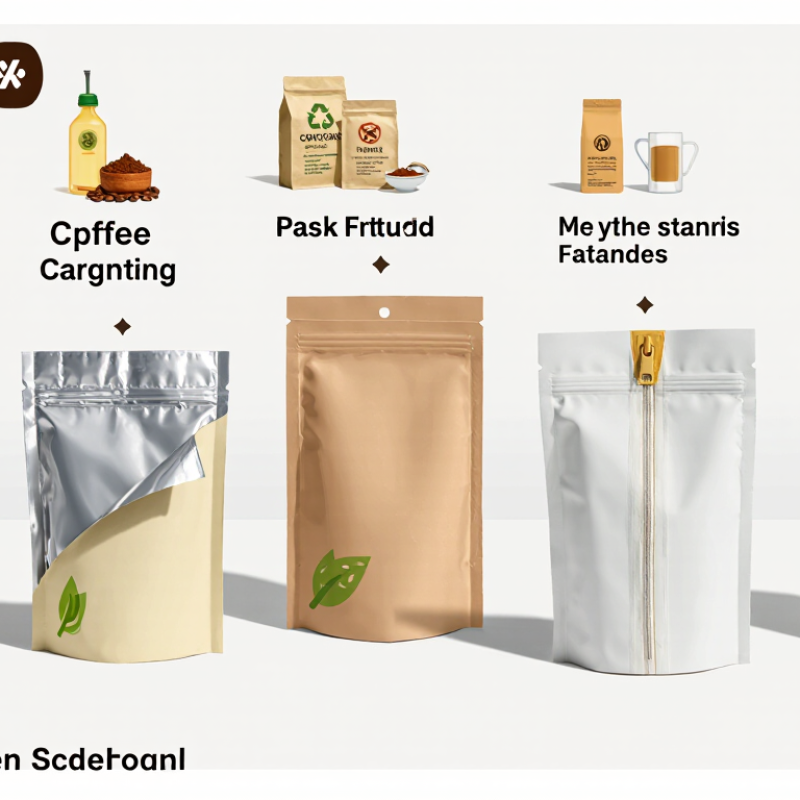
This guide explores common types, including windowed pouches, foil-lined designs, recyclable-material options, zipper closures, and flat-bottom styles. Each serves a different purpose. A clear window can show the product, but may reduce protection from light. Foil layers can provide a stronger barrier, though they affect material separation. Recyclability depends on the pouch’s exact construction and the facilities available where it will be discarded. Trade-offs are real.
We’ll compare these formats by appearance, convenience, barrier needs, and likely use, from dry snacks and coffee to powders and pantry goods. A resealable zipper helps with repeated access, but it does not replace a properly sealed package. A broad base can improve shelf presence, while adding bulk. The best choice depends on the product’s sensitivity, filling process, storage conditions, and customer expectations. No single style suits every product. Use these comparisons as a practical starting point, then confirm specifications with a qualified packaging supplier and test the pouch with the actual product.
Kraft stand-up pouches differ not only in paper finish, but in how their bases unfold and carry weight. The Flexible Packaging Association’s 2024 State of the U.S. Flexible Packaging Industry report estimates U.S. sales at $42.9 billion in 2023. That figure covers many flexible formats, not pouch bases specifically. Still, it shows the scale of this packaging category.
A Doyen base uses a curved bottom seal and suits lighter products that need a clean shelf profile. A K-seal base adds angled seals at the gusset corners, helping distribute heavier contents such as grains or small dry goods. A plow-bottom design folds the gusset into a broad base. It can stand steadily, though the folds may be less tidy when the pouch is nearly empty. The base matters.
Side gussets are another design choice. They expand the pouch’s sides, creating room for bulky contents, while the bottom gusset supports upright display. Check the filled pouch, not just the flat sample: a narrow base may wobble on a crowded shelf. Seal strength, pouch dimensions, and product weight all affect performance. Simple, but not trivial. No base style is perfect; prototypes often reveal small balance problems that drawings miss.
Resealable kraft stand-up pouches pair a paper-like exterior with a zipper that opens and closes by pressing the tracks together. The pouch can stand upright on a pantry shelf, while its wide opening makes filling and scooping easier. The Flexible Packaging Association’s 2023 State of the U.S. Flexible Packaging Industry report recorded $42.9 billion in U.S. flexible-packaging sales for 2022. That figure covers many formats, not kraft zipper pouches alone, but it shows the scale of the category.
The zipper helps limit exposure between uses, but it does not guarantee freshness. Moisture, oxygen, light, and the product itself all matter. Many kraft pouches use inner plastic or foil layers to improve barrier performance; the kraft surface is not the whole package. Check that the zipper closes evenly, especially near the side seals, and test the pouch with the actual contents. A sample may feel sturdy and still leak aroma. That detail is easy to miss.
Tips: Press the zipper closed from one end to the other. Keep the closure area free of crumbs or powder. For oily or moisture-sensitive products, ask for barrier specifications and run a storage test before choosing a pouch.
Windowed kraft stand-up pouches let shoppers see the product without opening the pack. A clear panel can show the color, size, or texture of coffee beans, dried fruit, or grains. That small view may help set expectations at the shelf. WestRock’s 2016 Packaging Matters study reported that 66% of surveyed consumers had tried a new product because its packaging caught their eye. The finding is useful context, not a guarantee that a window will increase sales.
Good visibility needs practical design. Keep the window large enough to show the contents, but leave room for clear labeling and reliable seals. Kraft paper alone offers limited protection from moisture and oxygen, so the inner barrier layer should suit the product and its intended shelf life. The Flexible Packaging Association’s 2024 State of the U.S. Flexible Packaging Industry report estimated U.S. flexible-packaging sales at $42.5 billion in 2023, showing the format’s broad commercial use—not the performance of any one pouch design. Check the actual pack. A window can also expose contents to light, and a small, poorly placed panel may reveal little. Test filled samples under real storage and display conditions before choosing the final structure.
| Pouch Type | Typical Window Style | Common Products | Visibility Benefit | Practical Considerations |
|---|---|---|---|---|
| Stand-Up Zipper Pouch | Vertical or front-panel window | Coffee, granola, dried fruit, snacks, and baking ingredients | Displays the product while the gusseted base helps the pouch stand upright on shelves. | A resealable zipper can help limit exposure to air and moisture after opening; the pouch material and closure should suit the product. |
| Flat-Bottom Pouch | Wide front window or narrow side windows | Tea, pasta, confectionery, nuts, and specialty dry foods | The squared base provides a stable display, while a broad window can show a substantial portion of the contents. | Usually has more panels and seals than a simple pouch, so packaging specifications should be checked with the converter. |
| Side-Gusset Stand-Up Pouch | Front window or paired side windows | Whole-bean coffee, rice, grains, and larger-volume dry goods | Expanding side gussets accommodate bulkier contents, and windows can reveal product color or texture. | Suitability for standing depends on the pouch design, fill weight, and base construction. |
| Three-Side-Seal Stand-Up Pouch | Front-panel window, often a narrow vertical shape | Single-serve snacks, dried herbs, spices, and small food portions | A compact window offers a clear product view without taking up the entire printable front panel. | Often suited to smaller pack sizes; confirm whether a zipper or other reclosure feature is included. |
| Resealable Kraft Pouch with Rounded Window | Oval, circular, or arched front window | Trail mix, sweets, pet treats, and colorful snack blends | A shaped window draws attention to the contents and can make product appearance part of the shelf presentation. | Window dimensions and position should leave enough room for product information and required labeling. |
| Kraft Pouch with Full-Length Window | Tall, narrow window running along the front or side | Pasta, pretzels, breadsticks, and other elongated dry products | The longer viewing area makes the shape and length of the contents easier to see. | Check that the window placement remains visible when the pouch is filled and displayed. |
Kraft stand-up pouches with spouts combine a natural-looking outer layer with a controlled opening for liquids, sauces, and other pourable products. The spout’s position matters: a corner fitment can guide a narrow stream, while a wider opening may help thicker contents flow. The pouch usually relies on laminated inner layers for sealing and product protection, so its paper appearance does not automatically make it recyclable.
The Flexible Packaging Association’s 2023 State of the U.S. Flexible Packaging Industry report valued U.S. industry sales at $42.9 billion in 2022. That figure covers flexible packaging broadly, not spouted kraft pouches alone, but it shows the scale of this packaging category. For product developers, fitment choice should follow real use tests: fill the pouch, pour at different angles, and check for drips around the seal. A spout that works well on a sample may feel awkward when the pouch is nearly empty.
Tips: Match the opening to the contents and expected serving size. Test cap handling with wet hands, too. Check leak resistance after transport simulation, and review the complete material structure before making recyclability claims. A small pour can still be messy. That detail is easy to overlook.
For coffee, a kraft stand-up pouch pairs a natural paper appearance with practical features such as a resealable zipper and a flat base. The base helps the pouch stand on a shelf; the zipper makes repeated use easier. Freshly roasted coffee may release gas, so some pouch designs include a one-way valve. Its placement and performance should suit the product and filling process. Small details matter.
Kraft paper alone does not provide strong protection from oxygen or moisture. High-barrier pouches use additional inner layers, often selected to slow exposure and help preserve aroma. The right structure depends on the coffee, expected storage conditions, and how long it must remain fresh. Ask suppliers for relevant barrier data, and test filled pouches under realistic storage conditions. A pouch that looks sturdy may still seal poorly. Still, the brown paper exterior can make material choices hard to judge. It is worth checking the full construction, seal quality, and valve compatibility before settling on a design.