Choosing reliable packaging pouches manufacturers requires more than comparing prices or browsing polished product pages. Global buyers need suppliers that understand materials, filling conditions, printing quality, and delivery risks. A pouch may look excellent under showroom lights, yet fail after heat sealing, transport, or long storage. Small details matter.
This guide introduces manufacturers serving international markets and explains what buyers should examine before placing an order. The evaluation considers pouch structures, barrier performance, customization options, production capacity, quality control, and communication practices. It also considers whether a supplier can provide practical documents, such as material specifications, test reports, and certificates relevant to the destination market. Reliable manufacturers should explain their processes clearly, not hide behind vague claims.
Real purchasing experience often reveals more than a catalogue. Ask for samples.
Check the seal strength.
Review the inner layers.
A strong supplier should discuss oxygen, moisture, light, and puncture resistance in specific terms. They should also clarify minimum order quantities, lead times, sample approval, and packaging methods. These details affect both product protection and total landed cost.
No manufacturer is perfect. Even experienced suppliers may face delays, color variation, or communication gaps. That does not automatically make them unsuitable. Honest explanations and corrective action are more valuable than unrealistic promises. Buyers should compare evidence carefully, test samples under actual conditions, and avoid choosing solely on the lowest quotation. This overview aims to support informed decisions when sourcing packaging pouches for food, cosmetics, household products, and other lawful commercial applications worldwide.
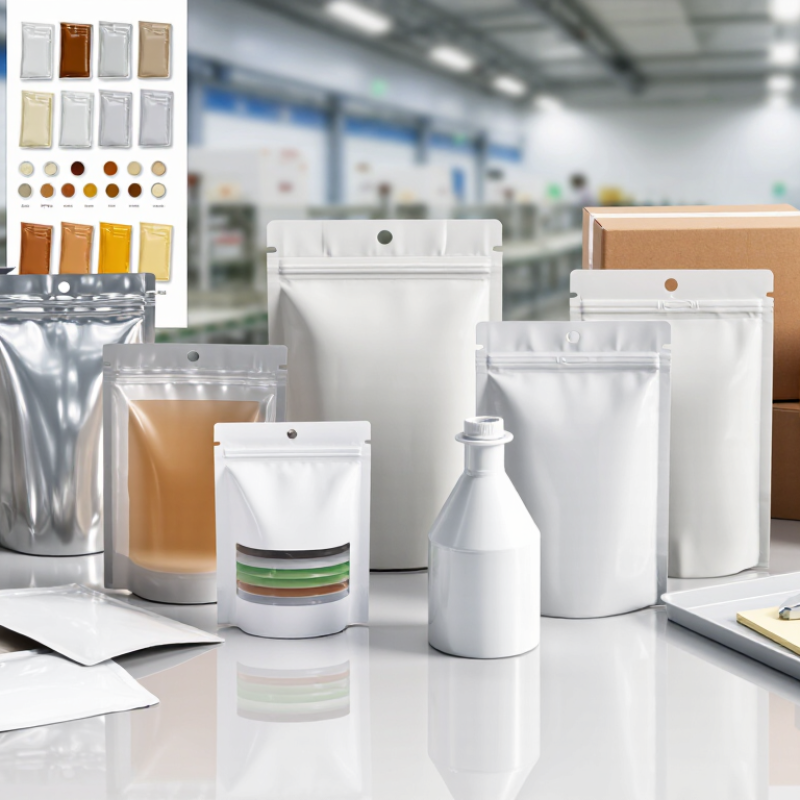
Packaging pouches are flexible containers made from laminated plastic films, paper, foil, or recyclable mono-material layers. They include flat pouches, stand-up pouches, spouted pouches, and resealable formats. A typical pouch combines barrier, printing, sealing, and puncture-resistant layers. This structure protects contents from moisture, oxygen, light, and handling damage.
Global buyers use pouches because they reduce shipping volume and improve shelf visibility. Grand View Research valued the global flexible packaging market at approximately US$262.85 billion in 2022. Its report forecasts continued growth through 2030, supported by convenience-focused purchasing. The Flexible Packaging Association reported about US$42.9 billion in United States flexible packaging sales for 2023. These figures show strong demand, although regional performance varies considerably.
In practical sourcing, pouch selection depends on filling temperature, product density, seal strength, and transport conditions. A pouch for powdered food needs different protection from one carrying liquid soap. Buyers should request migration tests, seal-integrity results, and barrier data before approving production. Material reduction can lower packaging weight. It does not automatically improve recycling. That assumption needs scrutiny. The Sustainable Packaging Coalition and other industry studies repeatedly note that collection infrastructure affects real-world recovery. A lightweight pouch may perform well in shipping, yet remain difficult to process locally. Sample testing matters more than attractive specifications. Even experienced procurement teams sometimes overlook humidity, corner stress, or repeated opening during use.
How Packaging Pouch Manufacturers Can Be Classified
Packaging pouch manufacturers are easier to compare when their capabilities are classified clearly. A practical classification starts with materials. Some manufacturers specialize in laminated films for dry foods, powders, and household products. Others produce recyclable mono-material pouches with simpler layer structures. Aluminum-based laminates offer strong light and moisture protection. Clear films provide product visibility. The right material depends on shelf life, filling temperature, transport conditions, and disposal requirements.
Manufacturers can also be classified by pouch design and production process. Stand-up pouch producers often offer bottom gussets, zippers, spouts, or tear notches. Flat pouch specialists usually support compact packs and high-speed filling lines. Some factories focus on rotogravure printing, while others use digital printing for shorter runs. Packaging engineers should review seal strength, puncture resistance, dimensional stability, and print consistency. Ask for production samples, test reports, and traceability records.
A third classification concerns service capability. Large export-oriented facilities may provide stable volume, multilingual documentation, and formal quality systems. Smaller converters can offer faster sampling and more flexible customization. This difference matters. Buyers should inspect the factory, review quality-control procedures, and confirm lead times before signing a contract. Check whether the manufacturer understands relevant food-contact, labeling, and environmental requirements in the target market. Evidence matters more than polished promises. No classification is perfect. A technically strong supplier may still struggle with communication, delivery changes, or small orders. That risk deserves honest review.
Global buyers should compare packaging pouch manufacturers by capability, not appearance alone. A polished sample proves little. Ask which film structures they produce, such as PET, PE, aluminum laminate, or recyclable mono-material options. Check pouch formats, including stand-up, flat, spouted, and three-side-sealed designs.
In factory evaluations, I examine printing accuracy, color control, seal strength, and dimensional consistency. Reliable manufacturers can explain their gravure or digital printing process clearly. They should also provide test data for oxygen, moisture, and light barriers. These values matter when products face long shipping routes or humid warehouses. Request production samples from different batches. One sample can hide process variation.
A capable supplier maintains documented quality checks from incoming film to final packing. Look for barcode inspection, seal testing, leak detection, and retained samples. Traceability should connect each shipment to materials, machines, operators, and inspection records. Capacity deserves careful questioning too. A large stated output may not reflect current scheduling, maintenance downtime, or seasonal demand. I have seen promising suppliers struggle with sudden artwork changes. That weakness is worth discussing early.
Compare minimum order quantities, tooling charges, sample lead times, and corrective-action procedures. Ask how they handle rejected rolls or inconsistent seals. Sustainability claims also need evidence, including structure details and applicable test reports. Certification can support trust, but it should never replace a factory visit or independent verification. No production system is perfect; honest reporting often signals stronger management.
| Capability Area | Common Industry Offering | Advanced Capability to Compare | Typical Technical Range | Buyer Validation Checklist |
|---|---|---|---|---|
| Pouch Formats | Stand-up pouches, flat pouches, three-side-seal pouches and side-gusset bags. | Quad-seal, box-bottom, shaped, spouted and retort-compatible pouch formats. | Format availability depends on bag-making equipment, tooling and filling-line compatibility. | Request dimensional drawings, tolerance data, sample pouches and filling-line trial results. |
| Material Structures | PE, PP, PET, BOPP, polyamide, aluminum foil, metallized film and paper-based laminates. | Mono-material PE or PP structures designed to improve recycling compatibility while maintaining seal performance. | Structure selection is driven by oxygen, moisture, light, aroma, puncture and temperature requirements. | Obtain the complete layer structure, resin specifications, compliance declarations and migration documentation. |
| Barrier Performance | Standard barrier films for dry foods, snacks, powders, personal-care products and household goods. | High-barrier laminates, metallized films, foil laminates and structures for oxygen-sensitive or light-sensitive products. | Compare oxygen transmission rate, water-vapor transmission rate, light protection and aroma retention. | Ask for test methods, laboratory conditions, batch results and performance after converting or transport. |
| Thickness Control | Multi-layer films selected according to product weight, drop resistance, sealing needs and appearance. | Tight thickness uniformity, downgauging studies and material optimization without compromising package performance. | Flexible packaging commonly uses film structures from several dozen to several hundred micrometres. | Review nominal thickness, tolerance limits, seal strength, puncture resistance and drop-test results. |
| Printing | Rotogravure or flexographic printing with reverse printing for laminated structures. | Digital printing for shorter runs, variable data, versioning and faster artwork changes. | Compare color consistency, registration accuracy, ink adhesion and print durability. | Request press proofs, color standards, approved artwork procedures and print inspection records. |
| Sealing Technology | Heat-sealable inner layers suitable for vertical or horizontal form-fill-seal equipment. | Wide sealing windows, low-temperature seal initiation and contamination-tolerant sealants. | Key variables include seal-initiation temperature, dwell time, pressure and seal strength. | Request hot-tack, seal-strength, leak and burst-test data using the buyer’s filling conditions. |
| Closures and Features | Resealable zippers, tear notches, laser scoring, hang holes, rounded corners and easy-open features. | Spouts, fitments, child-resistant closures, degassing valves and customized opening systems. | Feature selection depends on product viscosity, dispensing rate, shelf life and user requirements. | Check torque, fitment compatibility, opening force, reclosure performance and leak resistance. |
| Retort and Thermal Processing | Standard pouches for ambient products that do not require in-package sterilization. | Retort pouches designed for thermal processing, high-temperature exposure and post-process shelf stability. | Retort requirements vary by time, temperature, pressure, product acidity and filling process. | Require process-specific validation, seal testing, delamination checks and accelerated aging data. |
| Food-Contact Compliance | Documentation for applicable food-contact materials and production controls. | Market-specific compliance packages covering food contact, inks, adhesives and recycled-content claims. | Requirements differ by destination market, product type, temperature and contact duration. | Verify declarations of compliance, test reports, traceability records and change-control procedures. |
| Quality Management | Incoming-material inspection, in-process checks, finished-pouch inspection and batch traceability. | Statistical process control, automated vision inspection, laboratory testing and documented corrective actions. | Important controls include dimensions, seal integrity, print quality, odor, appearance and contamination. | Review quality plans, inspection frequency, defect classification, retention samples and audit results. |
| Sustainability Options | Lightweighting, downgauging, recyclable-format development and reduced production waste. | Post-consumer recycled content, certified paper sources, solvent-free lamination and mono-material designs. | Recyclability depends on local collection systems, sorting infrastructure and accepted material structures. | Request third-party certifications, recycled-content evidence, recyclability guidance and life-cycle assumptions. |
| Export and Supply Support | Export packaging, palletization, standard documentation and shipment coordination. | Multi-region regulatory support, vendor-managed inventory and contingency production planning. | Lead time is affected by artwork approval, cylinder or plate preparation, material availability and order volume. | Compare lead times, minimum order quantities, Incoterms, packaging for transit and business-continuity plans. |
Quality and compliance should guide every packaging pouch decision. Experienced manufacturers provide seal-strength data, barrier testing, and consistent batch records. Ask for samples before approving large orders. Examine zipper alignment, film thickness, print clarity, and leakage after filling. A pouch may look excellent but fail during transport. Drop tests and aging tests reveal weaknesses early. Reliable suppliers also maintain traceability from raw materials to finished cartons. Request current certificates and independent test reports. Requirements differ across markets, so confirm food-contact, labeling, and chemical compliance with qualified specialists.
Sustainability needs more than a green claim. Evaluate material reduction, recycled content, production waste, and end-of-life options. Mono-material structures can simplify recycling, but local collection systems may not support them. Compostable formats also require suitable facilities and clear disposal instructions. This is where supplier experience matters. Ask for lifecycle evidence, not vague promises. A thinner pouch can reduce transport emissions, yet it may lose strength and increase product waste. The better choice is not always the lightest one.
Tips: Compare at least three manufacturers using the same specification sheet. Check factory audit dates and corrective-action records. Request a pilot run with your actual product. Measure seal performance after storage and shipping. Keep every test result. No audit is perfect. Leave room for review.
Selecting the right global packaging pouch supplier requires more than comparing unit prices. The best manufacturer should match your product, market, and distribution conditions. Ask for pouch samples, material structures, barrier data, and production tolerances. A dry product may need moisture protection, while oily contents can challenge seal strength. Test both.
Review the supplier’s quality system before signing a long-term contract. Request recent audit records, batch traceability, inspection procedures, and food-contact documentation when relevant. Confirm how the factory controls printing accuracy, seal integrity, dimensions, and defect rates. Clear evidence matters. Photos alone are weak proof. A video call with the production team can reveal practical details, such as storage conditions and sampling methods.
Global orders also depend on communication and supply discipline. Check minimum order quantities, tooling charges, sample fees, lead times, shipping terms, and backup capacity. Ask how the supplier handles raw-material shortages or rejected batches. A written corrective-action process is valuable. Sustainability claims should include measurable information, not vague promises. Recyclability may depend on local collection systems and pouch structure. This point is often overlooked.
One purchasing mistake is trusting a polished quotation without testing delivery performance. Place a controlled trial order, record every result, and compare the supplier’s response with the original agreement. The cheapest pouch can become expensive when seals fail, cartons arrive late, or specifications shift without notice.