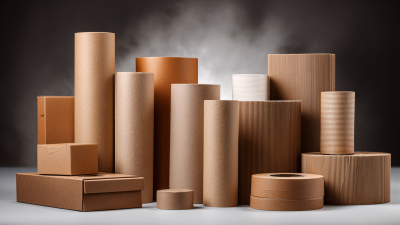
China has become a major sourcing base for packaging supplies, serving food, beverage, cosmetics, electronics, and e-commerce brands worldwide. Its manufacturers offer flexible production, competitive pricing, and broad material choices, from corrugated cartons and flexible films to glass bottles, metal tins, labels, and molded protective inserts.
Industry data explains this importance. Smithers’ The Future of Global Packaging to 2029 estimates the worldwide packaging market at approximately US$1.2 trillion in 2023, with further growth expected across consumer and industrial applications. The OECD’s Global Plastics Outlook also reports that packaging represents about 40% of global plastic waste, strengthening demand for recyclable, lightweight, and reusable solutions. China’s manufacturing scale can support these changes, but scale alone does not guarantee responsible performance.
That caveat matters.
This guide examines leading Chinese packaging manufacturers through practical buyer criteria, including material quality, production capacity, export experience, customization control, and documented certifications. Relevant evidence may include ISO 9001 systems, FSC chain-of-custody certification, BRCGS packaging standards, and product-specific testing records. Buyers should still verify certificates, factory addresses, sample consistency, and inspection procedures independently. A polished website proves little.
Some rankings remain imperfect because company capabilities change quickly, and public data is uneven. The most suitable supplier may not be the largest one. Instead, it should match the product’s protection needs, target market, order volume, sustainability goals, and compliance requirements. The following overview offers a practical starting point for global buyers seeking reliable Chinese packaging partners.

Chinese packaging manufacturers supply many formats for global buyers, from practical shipping cartons to refined retail boxes. Corrugated cartons protect products during stacking and long-distance transport. Folding cartons suit cosmetics, food, and household goods. Rigid boxes offer stronger structure for premium presentations.
Manufacturers also produce paper bags, mailing envelopes, stand-up pouches, stretch film, labels, tissue paper, foam inserts, and molded pulp trays. Custom printing can include colors, product details, barcodes, and handling marks.
Material selection should match the product, shipping route, moisture exposure, and storage time. A beautiful package can still fail if its seams split or its dimensions waste warehouse space. I have found that sample testing often reveals problems that product drawings hide.
Tips: Request physical samples before mass production. Check compression strength, print clarity, closure quality, and measured dimensions. Ask for material specifications and relevant test reports. Confirm food-contact suitability when packaging touches food. Environmental claims also need evidence, not attractive wording alone. Recycled content, recyclability, and compostability are different conditions. Some suppliers explain these differences clearly; others do not. Comparing technical details is wiser than choosing by price alone. Even experienced buyers can overlook small tolerances, especially when several packaging components must fit together.
China’s packaging strengths are concentrated in several specialized production regions. Guangdong supports flexible film, pouches, labels, and plastic containers. Its factories commonly use extrusion, gravure printing, lamination, and automated filling lines.
Zhejiang is strong in paper bags, cartons, woven packaging, and daily-use containers. Many suppliers offer rapid sampling and flexible order volumes. Jiangsu provides advanced carton converting, molded pulp, and industrial protective packaging. Fujian also has practical experience with food, beverage, and footwear packaging.
Capabilities vary widely. A large factory may provide stable color control, inline inspection, and documented quality checks. Smaller workshops can offer faster communication and custom development.
In supplier assessments, request material specifications, production photos, test reports, and recent samples. Check whether the sample matches mass production. It sometimes does not. That gap deserves attention.
Factory audits, batch records, and pre-shipment inspections improve reliability, but they cannot replace clear technical drawings.
Tips: Match the region to your product. Ask about minimum order quantities, tooling fees, lead times, and export packing. Confirm food-contact or recycling claims through valid documentation. Review sealing strength, print accuracy, and carton compression before ordering. Keep one approved sample for comparison. Small details matter.
Global buyers should assess packaging suppliers through evidence, not attractive samples. ISO 9001 supports controlled production and documented corrective actions. Food-contact packaging also needs applicable migration testing, traceability, and hygiene controls. Certification alone is not proof of every shipment’s quality. Audit reports and batch records matter more.
Material selection should match the product, route, and disposal system. UNEP’s 2023 Turning off the Tap report states that plastic pollution could fall by 80% by 2040 through reuse, recycling, and redesign. European Bioplastics reported global bioplastics capacity could grow from 2.18 million tonnes in 2023 to 7.43 million tonnes by 2028. These figures show momentum, but compostable material still needs suitable facilities. A recyclable structure can also fail when layers are difficult to separate. I have seen “eco” claims become unclear at the sorting stage. Buyers should question them.
Tips: Request current certificates, test reports, and a material specification sheet. Check certificate scope and expiry dates. Ask for samples from normal production, not special demonstrations. Verify thickness, seal strength, moisture resistance, and print durability. For paper materials, request responsible-forestry evidence where relevant. For recycled content, ask for percentage, origin, and contamination controls. Suppliers should explain tolerances in plain language. If they cannot, the risk is already visible.
Typical density comparison for common packaging materials used in export packaging and material selection.
Density is a practical reference when comparing transport weight, structural performance, and material efficiency. Representative values are approximately 0.90 g/cm³ for polypropylene (PP), 0.95 g/cm³ for high-density polyethylene (HDPE), 0.75 g/cm³ for paperboard, 1.38 g/cm³ for polyethylene terephthalate (PET), 2.50 g/cm³ for glass, and 2.70 g/cm³ for aluminum. Actual values vary by grade, additives, coating, and manufacturing process.
Global buyers commonly review ISO 9001 for quality management, ISO 14001 for environmental management, ISO 22000 for food-safety management, FSC Chain of Custody for certified paper-based materials, and BRCGS Packaging Materials for applicable packaging-safety requirements. Certification scope should always be verified for the specific facility and product.
Global buyers rarely select a packaging supplier by price alone. In my sourcing experience, reliability appears in small, repeatable details. A supplier should explain material grades, dimensions, tolerances, and production limits clearly. Request recent samples, not only polished catalog pieces. Check whether the sample matches the technical sheet. One mismatch matters.
Professional buyers review quality records, factory capacity, and delivery history. Ask for batch inspection reports and traceable production codes. A practical factory audit should examine storage conditions, moisture control, machine maintenance, and worker procedures. Confirm minimum order quantities, tooling charges, lead times, and replacement terms in writing. Communication is evidence. Slow or vague replies may signal future delays. However, one missed email should not decide everything. Context matters.
Reliable selection also includes risk planning. Compare landed cost, not just the quoted unit price. Include freight, import documents, sampling, and possible defect losses. Suppliers should discuss recyclable structures, safe inks, and compliant food-contact documentation when relevant. Independent testing can support these claims. I also value a small trial order before a larger contract. It reveals packing strength, color consistency, and actual delivery discipline. No evaluation is perfect. A strong supplier welcomes questions and records corrective actions. Buyers should keep those records and review performance after every shipment.
China’s packaging supply sector supports global buyers with cartons, pouches, bottles, labels, and protective inserts. The Smithers market report estimates global packaging demand will exceed 1.2 trillion dollars by 2028. This scale creates choice, but also requires careful supplier verification.
Ordering should begin with a written specification sheet. Include dimensions, material thickness, print colors, closure type, monthly volume, and destination. Request physical samples before approving mass production. Customization may change tooling, minimum order quantities, and lead times. A sample can look perfect, yet production tolerances may differ. Confirm inspection standards and acceptable defect rates in the purchase agreement. Details matter.
Pricing should separate product cost, tooling, printing plates, inland transport, and export documentation. Ask for quotations under consistent Incoterms, such as FOB or CIF. Otherwise, low factory pricing may hide expensive freight or destination charges. The World Bank’s commodity data shows that freight-related costs can fluctuate sharply with fuel and route conditions. Buyers should compare at least three detailed quotations, not just unit prices. A small spreadsheet prevents avoidable errors.
International shipping needs carton dimensions, gross weight, pallet plans, and accurate customs descriptions. UNCTAD reports that maritime transport carries over 80% of global merchandise trade by volume. Sea freight suits larger orders, while air freight supports urgent replenishment at higher cost. Build buffer time for inspections, port congestion, and weather. Even careful planning can fail occasionally, so a backup shipping window is sensible.
Practical sourcing reference for international buyers. Specifications, minimum order quantities, lead times, and prices are indicative industry ranges and should be confirmed through a written quotation and approved sample.
| Packaging Category | Common Materials | Typical Applications | Customization Options | Indicative MOQ | Typical Production Lead Time | Indicative Pricing Basis | International Shipping and Compliance Considerations |
|---|---|---|---|---|---|---|---|
| Corrugated Shipping Cartons | Recycled kraft liner, test liner, fluting paper, white-top liner | E-commerce orders, household goods, electronics, industrial components | Dimensions, flute profile, board grade, flexographic printing, die-cutting, inserts, water-resistant coating | 500–5,000 pieces | 10–25 working days after artwork approval | Usually quoted per piece; strongly affected by board grade, size, printing, and order quantity | Lightweight but bulky; palletization improves handling. Confirm carton compression strength, moisture protection, and International Safe Transit Association testing when needed. |
| Paper Shopping Bags | Kraft paper, recycled paper, coated paper, FSC-certified paper when specified | Retail, food service, apparel, gifts, promotional packaging | Bag size, handle type, paper weight, printing, lamination, gusset, reinforced base | 1,000–10,000 pieces | 15–30 working days | Quoted per piece, with separate cost drivers for handles, printing colors, and finishing | Ship flat or bundled to reduce volume. For food contact, request material declarations and applicable migration-test documentation. |
| Rigid Paper Boxes | Greyboard wrapped with coated paper, kraft paper, specialty paper, or fabric | Cosmetics, consumer electronics, gifts, jewelry, premium retail products | Magnetic closure, ribbon, foam or paper inserts, foil stamping, embossing, spot coating, custom structure | 500–3,000 pieces | 20–40 working days | Quoted per piece; tooling, hand assembly, inserts, and specialty finishes can increase cost | Higher volume-to-weight ratio than folding cartons. Use corner protection and moisture-resistant outer cartons for long-distance transport. |
| Folding Cartons | Folding boxboard, solid bleached board, recycled board, kraft board | Food, pharmaceuticals, personal care, small consumer products | Die-cut structure, offset printing, window film, embossing, varnish, tamper-evident features | 1,000–10,000 pieces | 15–30 working days | Quoted per piece or per thousand pieces; paperboard thickness and print coverage are key variables | Confirm product-specific labeling, food-contact, or pharmaceutical packaging requirements in the destination market. Flat packing reduces freight volume. |
| Flexible Stand-Up Pouches | PE, PP, PET, BOPP, metallized film, aluminum foil, paper-laminate structures | Snacks, coffee, pet food, powders, detergents, personal-care products | Size, zipper, spout, window, tear notch, matte or gloss finish, barrier layer, custom printing | 10,000–50,000 pieces | 25–45 working days | Quoted per piece or by pouch size; film structure, barrier performance, and printing cylinders affect cost | Request oxygen-transmission, moisture-transmission, seal-strength, and food-contact documentation when applicable. Verify recyclability claims for multilayer structures. |
| Plastic Mailing Bags | LDPE, HDPE, recycled polyethylene, co-extruded films | Apparel, documents, lightweight e-commerce products, returns packaging | Bag dimensions, thickness, adhesive strip, tear-open feature, printing, opaque or transparent film | 5,000–20,000 pieces | 15–30 working days | Quoted per piece or kilogram; film thickness, bag size, and printing affect the final price | Very low freight weight and volume. Check destination-market restrictions on single-use plastics and request recycled-content evidence if claimed. |
| Glass Bottles and Jars | Soda-lime glass, amber glass, clear glass, frosted or coated glass | Food, beverages, cosmetics, fragrances, pharmaceutical products | Shape, capacity, neck finish, color, embossing, frosting, screen printing, compatible closure | 5,000–30,000 pieces | 30–60 working days for customized molds; shorter for standard stock designs | Quoted per piece, usually excluding or separately listing closures, decoration, molds, and protective packaging | Heavy and breakable; use dividers, molded pulp, or foam protection. Confirm closure compatibility, pressure requirements, and applicable food, cosmetic, or pharmaceutical standards. |
| Aluminum and Tin Containers | Aluminum, tinplate steel, coated metal sheet | Tea, confectionery, candles, cosmetics, industrial products, promotional sets | Shape, size, hinged or slip lid, embossing, lithographic printing, internal coating, custom insert | 3,000–20,000 pieces | 25–50 working days | Quoted per piece; metal thickness, tooling, coating, and decoration are major cost factors | Protect against dents and surface scratches. For food contact, request coating declarations and test documentation suitable for the destination market. |
| Molded Pulp Packaging | Recycled paper fiber, bamboo fiber, sugarcane fiber, other molded cellulose fibers | Electronics protection, food trays, cosmetics, bottle inserts, agricultural products | Custom cavity, wall thickness, color, smoothness, printing, water or oil resistance, nesting design | 3,000–20,000 pieces | 25–50 working days including mold development | Quoted per piece; mold cost, fiber type, surface finish, and dimensional tolerance affect pricing | Generally lightweight and nestable. Confirm moisture resistance, compostability or recyclability claims, and food-contact suitability where relevant. |
| Pressure-Sensitive Labels | Paper, PP, PE, PET, thermal materials, adhesive-coated stocks | Product identification, barcodes, logistics, cosmetics, food and beverage packaging | Roll or sheet format, adhesive type, variable data, lamination, metallic effect, security features, die-cut shape | 1,000–10,000 labels | 7–20 working days after artwork approval | Quoted per thousand labels or per roll; material, size, colors, finishing, and variable data affect price | Confirm roll direction, core size, outer diameter, barcode readability, adhesive performance, and labeling rules in the destination country. |
| Protective Foam Inserts | EPE, EVA, polyurethane foam, polyethylene foam, molded foam | Electronics, tools, instruments, fragile products, presentation boxes | Custom cavities, density, thickness, antistatic treatment, laminated surface, color, pull tabs | 500–5,000 pieces | 20–40 working days including tooling | Quoted per piece; density, material type, cavity design, and mold complexity determine cost | Specify compression, cushioning, antistatic, and flammability requirements. Pack inserts securely to prevent deformation during transit. |
Ordering checklist: provide product dimensions and weight, annual demand, target market, material requirements, artwork files, performance standards, delivery destination, preferred Incoterm, and required shipping documents. Common commercial terms include EXW, FOB, CIF, and DDP; responsibility for freight, insurance, customs clearance, duties, and taxes differs by term.