How to Choose the Right Personalized Boxes?

Choosing the right personalized boxes requires more than selecting attractive colors or adding a logo. Packaging is a business decision, affecting protection, cost, sustainability, and customer memory. Smithers’ packaging industry analysis forecasts the global packaging market will exceed one trillion U.S. dollars during this decade. That scale shows why careful packaging choices matter.

Customer expectations are also becoming more specific. McKinsey’s 2023 global packaging survey, covering more than 11,000 consumers across 11 countries, found that packaging sustainability remains important during purchase decisions. However, sustainability does not mean using the thinnest material available. A fragile box can create product damage, returns, and unnecessary waste. Better choices begin with product weight, dimensions, shipping distance, and storage conditions.

Personalized boxes should fit the product closely, without crushing corners or leaving excessive empty space. Consider corrugated strength, paper finish, printing method, closure style, and opening experience. A candle may need an insert, while clothing may need softer folding protection. Small details matter.

They really do.

Reports provide direction, not final answers. A premium finish may improve perceived value, yet it can increase cost and complicate recycling. A recycled board may support brand values, but its surface texture may affect color accuracy. These trade-offs require testing, supplier communication, and practical judgment. Sample boxes should be dropped, stacked, opened, and reviewed before large-scale production. The right personalized boxes balance brand character with reliable performance. They should look memorable on a doorstep and remain sensible inside the recycling stream. That balance is difficult, and sometimes the first design is simply not good enough.

How to Choose the Right Personalized Boxes?

Understanding Personalized Box Types and Their Main Uses

Choosing personalized boxes becomes easier when the box type matches the product’s real journey. A mailer box suits subscription items, clothing, books, and lightweight products sent directly to customers. Its self-locking structure reduces extra packaging, while printed panels create a clear unboxing experience. For heavier goods, a corrugated shipping box offers better stacking strength and cushioning space. Measure the packed product, not just the product itself. Small gaps matter.

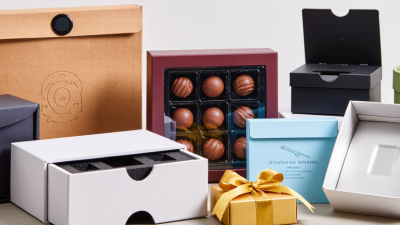
A folding carton works well for retail shelves, cosmetics, food, and small accessories. It uses less storage space before assembly and can display instructions, ingredients, or care details. A rigid box feels substantial and protects premium gifts, electronics, jewelry, and delicate presentation sets. Magnetic closures add convenience, but they can increase cost and material use. Choose them for repeated opening, not appearance alone. I have seen attractive boxes fail because lids loosened during transport.

Before approving artwork, test several filled samples with corner drops, stacking, moisture exposure, and opening cycles. Check whether text remains readable after folding. Inserts should hold items without scratching them. A practical box must fit shipping limits and customer handling habits. Recyclability also needs careful checking. Mixed materials may complicate local recycling systems. Ask suppliers for material specifications and production tolerances. A slightly simpler structure may survive better and waste less material.

Defining Your Product, Brand, and Packaging Requirements

How to Choose the Right Personalized Boxes?

Defining Your Product, Brand, and Packaging Requirements

Begin with the product, not the artwork. Measure its length, width, and height after adding protective material. A glass jar needs different support than a folded shirt. Record the product’s weight, shape, surface sensitivity, and shipping conditions. I once approved a box based only on internal measurements. The product fit, but the lid pressed against its surface. That mistake changed the specification.

Your brand requirements should guide the box’s appearance and handling experience. Choose colors that remain consistent across coated and uncoated materials. Define the logo size, printing areas, typography, and acceptable color variation. A premium look may require textured paper, precise finishing, or stronger board. However, decorative details can increase cost and production risk. Keep the message clear. Make opening easy.

Packaging requirements must include durability, storage, quantity, and budget. Request material samples before approving a large order. Test the box with the actual product, filler, labels, and shipping route. Check corner crushing, moisture exposure, and repeated handling. Ask the supplier for board thickness, material composition, print tolerances, and quality inspection procedures. These details support reliable decisions. Some prototypes will fail. That is useful. Revise the design before customers discover the weakness.

Selecting Suitable Materials, Sizes, and Structural Designs

How to Choose the Right Personalized Boxes?

Selecting Suitable Materials, Sizes, and Structural Designs

Choosing a personalized box starts with its job, not its decoration. A lightweight paperboard box suits cosmetics, cards, and dry goods. Corrugated board offers better cushioning for heavier or fragile items. For a premium unboxing experience, rigid board feels solid but costs more storage space. Material should also match the shipping environment. Humidity can soften some paper fibers, while excessive thickness increases waste and freight charges. I usually press, fold, and handle sample boxes before approving a large order. Small flaws become expensive at scale.

Measure the product, including its protective wrap, rather than guessing from its shelf size. Leave enough clearance for movement, but avoid a loose cavity that invites impact damage. A snug fit often needs less filler. For irregular products, adjustable inserts can prevent shifting during delivery. Test at least two sizes if the product range varies. One universal box may look efficient, yet it can waste material around smaller items. I once chose an attractive box that was too deep. The insert solved part of the problem, not all of it.

Structural design controls assembly time and customer experience. Tuck-end styles are practical for repeated opening, while magnetic or lift-off structures create a slower, deliberate reveal. Use locking tabs when adhesive-free assembly matters. Add handles only when the product weight supports them. A printed surface cannot rescue a weak closure. Check seams, corners, and opening force with real samples. Record what fails, even when the failure seems minor. That evidence makes later decisions more dependable.

Evaluating Printing, Finishing, and Customization Options

Choosing the right personalized box requires more than selecting a color and adding a logo. Printing quality affects how customers read value. Digital printing suits short runs and detailed artwork. Offset printing can provide consistent color across larger quantities. However, screen colors may change on paper, especially with dark or textured stock.

Ask for a physical sample before approving production. Check small text, edge alignment, and color under normal store lighting. A matte coating feels soft and reduces glare, while gloss makes bright graphics stand out. Foil, embossing, and spot coating add texture, but excessive finishing can make a box feel crowded. I have seen attractive designs lose clarity because every effect was used at once.

Tips: Keep one visual focus. Test opening behavior. Compare coated and uncoated samples. Leave space for handling marks.

Customization should support the product inside.

Consider box dimensions, insert placement, closure style, and repeated handling. A snug fit can reduce movement, but a tight box may damage the contents during opening. Use a clear dieline and confirm measurements with a production specialist. Small changes in flap depth can affect assembly speed. I still recommend reviewing the prototype twice; an overlooked fold or weak corner is easy to miss on screen. Reliable decisions come from testing, not appearance alone.

Comparing Suppliers, Costs, Quality, and Delivery Timelines

Choosing personalized boxes requires more than comparing the lowest quote. A reliable supplier should explain material grades, printing methods, minimum order quantities, and setup fees clearly. Request a physical sample before approving production. Samples matter. Check the box edges, color accuracy, folds, glue points, and how easily the lid opens. A polished sample can still hide production inconsistencies, so ask how quality is inspected across a full batch.

Cost comparisons should include every charge, not only the unit price. Die fees, artwork adjustments, protective packaging, storage, and shipping can change the final budget. Ask suppliers for itemized quotes with matching specifications. Comparing different cardboard weights creates a misleading result. A cheaper box may crush under light pressure or require extra inserts. In my experience, spending slightly more on stronger material often prevents replacement costs, although this depends on the product and shipping distance.

Delivery timelines need realistic milestones. Confirm proof approval, material purchasing, production, inspection, and dispatch dates separately. Ask how delays are handled. Timing slips. A supplier promising seven days may exclude weekends, sampling, or customs processing. Build a buffer of at least several business days, especially before seasonal promotions. Written updates and traceable shipping records improve reliability. Still, forecasts are not guarantees, and I have sometimes underestimated approval delays. That mistake taught me to leave room for artwork revisions and unexpected quality checks.

How to Choose the Right Personalized Boxes?

Comparing typical supplier profiles by unit cost, quality consistency, and delivery time for a 1,000-box custom corrugated mailer order.

Local short-run suppliers usually provide the fastest delivery but at a higher unit cost. Regional suppliers offer a balanced combination of quality, price, and lead time, while overseas production can reduce unit cost but generally requires longer planning and shipping time.