What Is Cookie Packaging and Which Type Is Best?

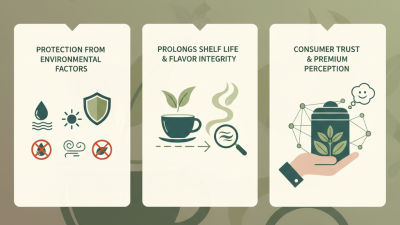
Cookie packaging is more than a decorative wrapper around a sweet product. It protects texture, preserves freshness, supports transport, and communicates quality before the first bite. A crisp butter cookie needs different protection from a soft, cream-filled biscuit. Moisture, oxygen, light, grease, and crushing can all change the customer’s experience.

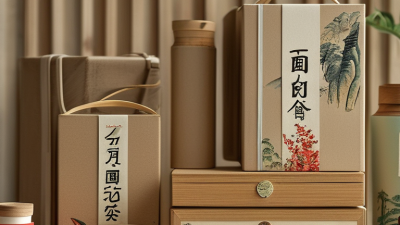
Packaging educator Dr. Susan Selke describes the field clearly: “Packaging is a system, not a single material.” That idea matters when choosing cookie packaging. A paperboard box may create a premium appearance, while an inner film helps control moisture. A resealable pouch can suit everyday snacking, but it may feel less special on a gift shelf. The best choice depends on the cookie, selling environment, storage period, branding goals, and available budget.

Small details matter. A loose seal can leave cookies stale within days. Excess empty space can cause breakage during delivery. An attractive package can still frustrate customers if it is difficult to open. Practical testing should come before confident claims. Check seal strength, drop resistance, odor transfer, and performance after storage. Real products behave differently from samples.

Sustainability also requires careful thought. “Recyclable” does not automatically mean recyclable everywhere. A thinner pack is not always better if it causes waste through damaged cookies. This is where many packaging discussions become too simple.

The strongest cookie packaging balances protection, appearance, usability, and responsible material choices. It may not be perfect. Few packages are. However, a measured, product-specific approach usually performs better than following a fashionable format.
What Is Cookie Packaging and Which Type Is Best?

What Is Cookie Packaging? Functions, Layers, and Barrier Metrics

Cookie packaging is the protective system surrounding a baked product from production line to kitchen table. It must resist crushing, moisture, oxygen, light, grease, and unwanted odors. A package also controls handling, portioning, opening, and product identification. In practice, a crisp cookie can soften after one humid afternoon if the seal is weak. That small failure matters.

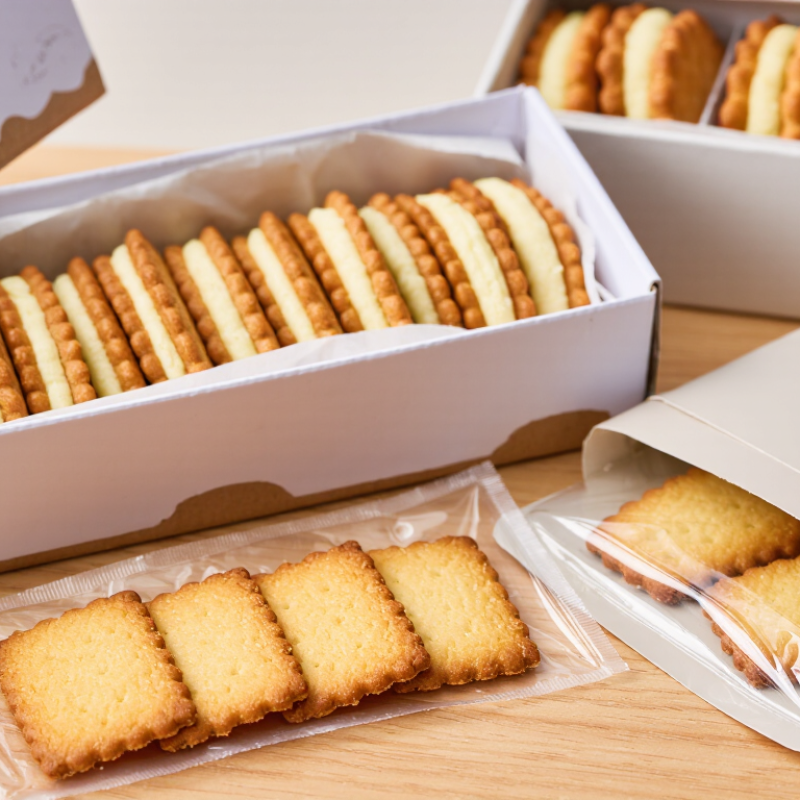
Most formats use several layers, even when the pouch looks simple. The outer layer provides printability, stiffness, and abrasion resistance. A middle layer may add strength or improve oxygen and light protection. The inner sealant layer touches the food and creates the closure. Paper can improve appearance and rigidity, while films often deliver stronger moisture barriers. Rigid trays protect delicate shapes, but they may use more material and occupy more shipping space. Packaging choices are rarely perfect.

Barrier performance should be measured, not guessed. Water vapor transmission rate, or WVTR, indicates how quickly moisture enters the package. Oxygen transmission rate, or OTR, shows oxygen movement through the material. Lower values generally support longer crispness and slower oxidation. Seal strength, leak testing, and package drop tests reveal practical weaknesses. I would test filled packs under realistic humidity and temperature changes. Laboratory results can look excellent. Field handling can disagree. A careful trial often exposes a design that looked perfect on paper.

Cookie Freshness: Why Water Activity Below 0.60 Matters

What Is Cookie Packaging and Which Type Is Best?

Cookie freshness depends on more than a sealed pouch. Water activity, or aw, measures available moisture for microbial growth and texture changes. The US FDA Food Code identifies 0.85 as an important control point for many pathogens. Below 0.60, most bacteria, yeasts, and molds cannot grow. This benchmark is widely used for shelf-stable foods. ISO 18787:2017 also provides standardized methods for measuring water activity.

A crisp cookie can lose its snap quickly when moisture enters through weak packaging seals. A soft cookie may become sticky instead. High-barrier laminated film usually offers stronger protection than ordinary plastic. Metallized layers can reduce moisture and oxygen transfer, while rigid trays help prevent breakage. Still, packaging cannot correct an underbaked cookie with excessive aw. I would not trust texture alone. A calibrated aw meter gives better evidence, especially after cooling and before final packing. Small differences matter. A reading of 0.58 may be safer for stability than 0.64, but formulation and storage conditions still require testing.

Tips: Measure aw at room temperature after the cookie reaches equilibrium. Test several batches, not just one. Check seals after transport simulation. Store samples beside the finished package for real-world comparison. Humidity changes everything. Review results against FDA guidance, ISO 18787:2017, and your validated shelf-life study before choosing the final package.

Paper, Plastic, Metal, and Glass: Comparing Four Packaging Types

What Is Cookie Packaging and Which Type Is Best?

Cookie packaging protects texture, flavor, appearance, and food safety during storage and delivery. The best material depends on moisture, light, breakage, budget, and disposal needs.

Paper feels warm and natural, making it suitable for short sales periods and dry cookies. However, plain paper may soften when exposed to humidity. Coated paper improves resistance, but it is not always easy to recycle.

Plastic offers strong moisture protection and flexible shapes. Clear pouches also let customers see decorated cookies before purchase. Yet plastic can trap condensation if cookies are packed while still warm. That mistake may create a soft surface.

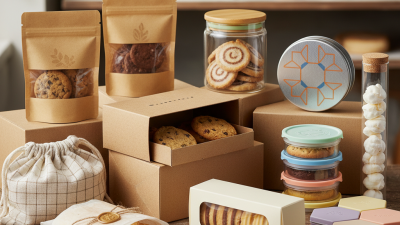
Metal tins provide excellent protection from crushing, light, and temperature changes. They work well for gift sets and repeated storage, although they use more material and add shipping weight. Glass looks premium and resists odors, but it is heavy and breakable. In practical packing tests, glass often needs extra padding, which can reduce its environmental advantage.

Tips: Cool cookies completely before sealing them. Use a moisture barrier for soft or iced products. Add a food-safe liner when metal or glass touches cookies directly. Test one package after several days, then check crispness, smell, and surface marks. A small trial helps, but it cannot predict every delivery condition. Packaging choices should be reviewed honestly, especially when appearance matters more than convenience.

High-Barrier Packs: How WVTR Below 1 g/m²/day Protects Crispness

What Is Cookie Packaging and Which Type Is Best?

Cookie packaging does more than display a product. It controls moisture, oxygen, light, impact, and aroma loss. For crisp cookies, moisture is the main threat. A small amount can soften a thin wafer within days.

High-barrier packs are designed for this problem. Their WVTR, or water vapor transmission rate, shows how much moisture crosses the material. A rating below 1 g/m²/day indicates strong moisture resistance under stated test conditions. This value is useful, but it is not a promise for every climate. Temperature, humidity, seal quality, and storage time still matter.

A multilayer film, rigid tray with a sealed lid, or metallized laminate can provide this protection. The best choice depends on cookie shape, filling, shelf life, and packing equipment.

In practical quality checks, inspect the seal before judging the film. A tiny channel leak can defeat an excellent barrier layer. Place samples in a humid test area, then compare snap, weight, and texture after several days. The difference can be obvious. A dry cookie should break cleanly, not bend softly.

Oxygen absorbers may help some products, but they cannot repair moisture entering through a weak closure. Packaging tests also need repetition. One successful batch proves little.

Which Cookie Package Is Best? A Data-Based Choice by Product and Channel

What Is Cookie Packaging and Which Type Is Best?

The best cookie package depends on texture, product price, and selling channel. There is no universal winner. Soft cookies need moisture protection, while crisp cookies need stronger impact resistance. For supermarket shelves, flexible flow wrap can reduce air exposure and support single-serve formats. The Flexible Packaging Association reported U.S. flexible-packaging sales of about $39.8 billion in 2023, showing the format’s continuing commercial importance.

Channel changes the decision. Direct-to-consumer orders face drops, vibration, and compression before delivery. A carton, inner tray, and corrugated shipping box can protect delicate cookies better than a thin pouch. However, this structure increases material use and shipping weight. The 2024 Smithers packaging forecast identifies e-commerce as a major driver of protective packaging demand through 2028. That growth does not make heavier packaging automatically correct. Testing matters more than appearance.

Tips: Match the barrier to the recipe. Use high-barrier film for soft or filled cookies. Add trays for fragile products. Test packed orders with ISTA parcel procedures before scaling. Measure breakage, moisture change, opening time, and shipping cost. A premium tin may impress shoppers, but it can be excessive for low-priced retail cookies. Reusable packaging sounds attractive, yet customer reuse rates are often uncertain. Product evidence should guide the choice.