Top Tips for Choosing the Best Food Packaging Bags?
In the dynamic world of food packaging, choosing the right food packaging bags is critical for product integrity and brand image. Industry expert Dr. Emily Carter emphasizes, "Quality packaging ensures food safety and enhances consumer trust." With health and safety becoming paramount, it is essential to understand the options available.
Numerous factors influence the decision-making process. Material selection plays a significant role, impacting durability and shelf life. Consumers often prefer eco-friendly options, so sustainability is crucial. However, many brands overlook the importance of design and functionality. A well-designed bag can attract attention on crowded shelves.
Navigating the variety of food packaging bags in the market requires careful consideration. It’s easy to get lost in features and marketing claims. Reflecting on personal experiences can help identify what truly matters. Ultimately, investing time in choosing the right packaging can significantly affect customer satisfaction and business success.
Understanding Different Types of Food Packaging Bags
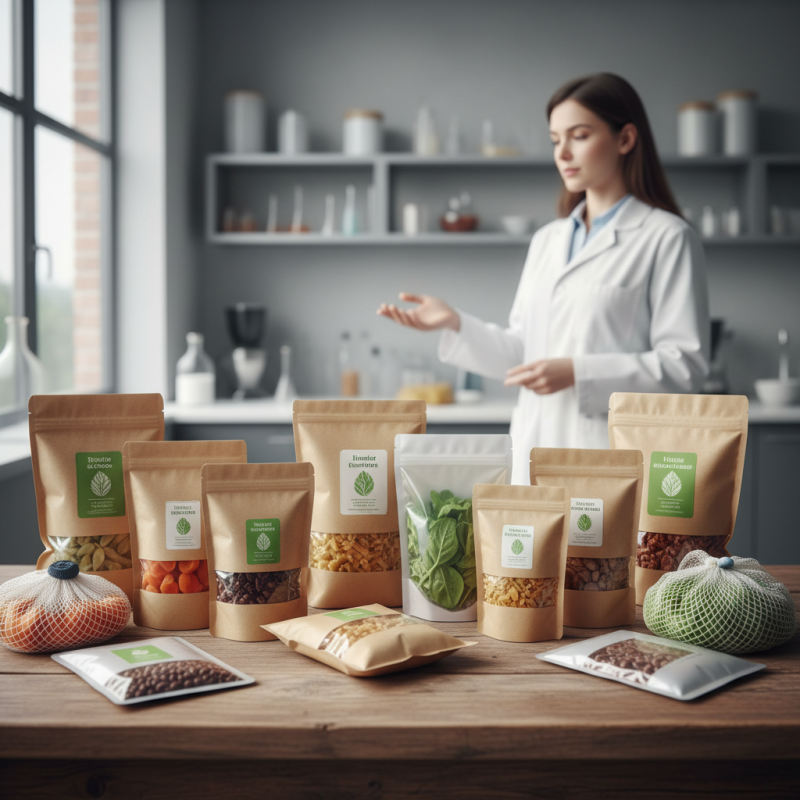
When selecting food packaging bags, understanding the types available is crucial. There are various materials to consider. Plastic, paper, and biodegradable options are common. Each type has its advantages and limitations. For instance, plastic is lightweight and moisture-resistant but can contribute to environmental issues. According to industry reports, over 300 million tons of plastic are produced each year, with a significant portion used in food packaging. This statistic underscores the importance of choosing wisely.
Biodegradable bags are gaining popularity. These options break down more easily in landfills, reducing pollution. However, they may not be as durable as traditional plastic. Research shows that biodegradable materials still account for only 5% of the global food packaging market. It is vital to weigh durability against ecological benefits.
Tip: Always consider the shelf life of your product when choosing packaging. Some bags enhance freshness better than others. Test different materials to find the right balance. Another tip is to observe local regulations regarding food packaging. Compliance is essential for ensuring safety and sustainability. Understanding the characteristics of each bag type can elevate product presentation and appeal.
Top Tips for Choosing the Best Food Packaging Bags
| Type of Packaging Bag |
Material |
Best For |
Advantages |
Disadvantages |
| Stand-Up Pouches |
Plastic, Foil |
Snacks, Powders |
Flexible, Attractive, Resealable |
Higher Cost, Limited Recycling |
| Flat Bags |
Plastic, LDPE |
Grains, Nuts |
Cost-Effective, Easy to Store |
Less Protection, No Reseal |
| Vacuum Bags |
Nylon, Polyester |
Meat, Vegetables |
Long Shelf Life, Preserves Flavor |
Requires Vacuum Sealing, Bulky |
| Zipper Bags |
Plastic, PE |
Fruits, Snacks |
Reusable, Convenient |
Not Ideal for Liquids |
| Paper Bags |
Kraft Paper |
Breads, Pastries |
Biodegradable, Recyclable |
Less Moisture Resistant |
Evaluating Material Options for Food Safety and Freshness
When selecting food packaging bags, material choice plays a pivotal role. Several options exist, but not all are created equal. For instance, plastic bags offer light weight and convenience but can sometimes cause chemical leaching. This can threaten food safety. On the other hand, biodegradable materials provide a sustainable alternative. However, their durability and moisture resistance might not be sufficient for all food types.
Considerations also extend to freshness. Barrier properties of packaging material are crucial. Certain bags can keep oxygen and moisture out, prolonging shelf life. Thicker materials often prevent punctures, which can lead to contamination. Yet, thicker does not always mean better; some materials can trap moisture, leading to spoilage. Understanding these trade-offs is essential for making informed choices.
Sometimes, finding the right balance can be challenging. This process may involve testing various options, leading to unexpected results. What works for one product might not suit another. Regularly assessing your packaging strategy can ensure ongoing effectiveness while prioritizing food safety. Awareness of the latest material innovations is also important, as this field evolves rapidly.
Considering Environmental Impact in Food Packaging Choices
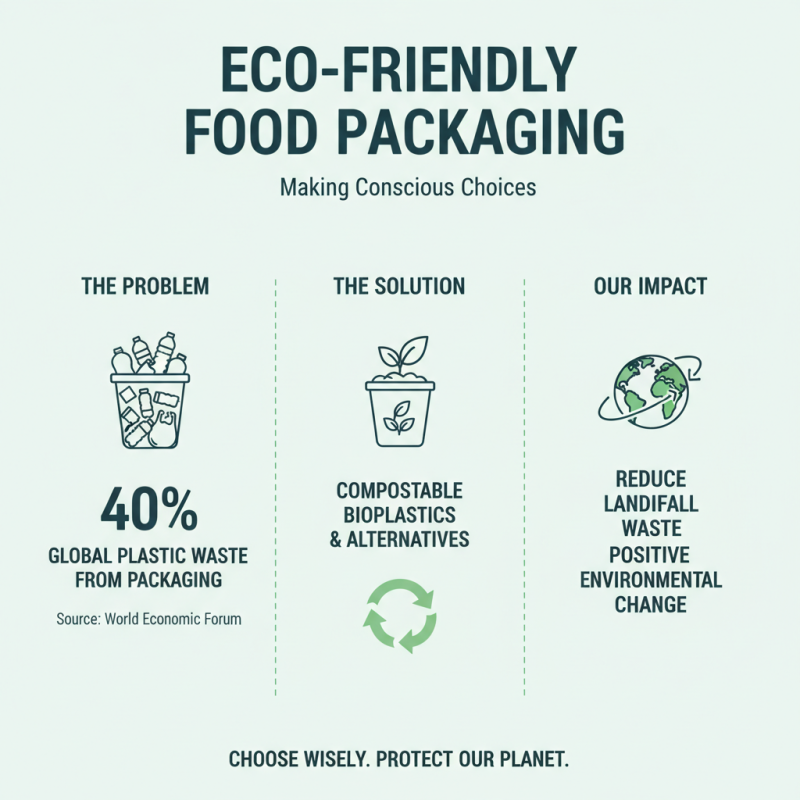
When selecting food packaging bags, environmental impact should be a top priority. According to a report from the World Economic Forum, plastic packaging accounts for 40% of global plastic waste. This staggering statistic urges us to rethink our choices. Environmentally-friendly materials, like compostable bioplastics, are becoming more available. Transitioning to these alternatives can positively influence waste management.
Research by the Ellen MacArthur Foundation indicates that only 14% of plastic packaging is recycled globally. This highlights a significant problem: much of our packaging ends up in landfills or oceans. By choosing packaging that is recyclable or biodegradable, businesses can reduce this impact. Every small change counts. For instance, opting for paper bags instead of plastic can diminish reliance on fossil fuels.
Yet, challenges remain. Not all sustainable options perform equally well. Some biodegradable bags may not break down in every environment, leading to further issues. Additionally, consumers often prioritize cost over eco-friendliness, creating a tension in the market. Overall, the food packaging industry must innovate continuously to tackle these environmental dilemmas. Every choice should aim to balance sustainability with practicality.
Assessing Size and Volume Needs for Various Food Products
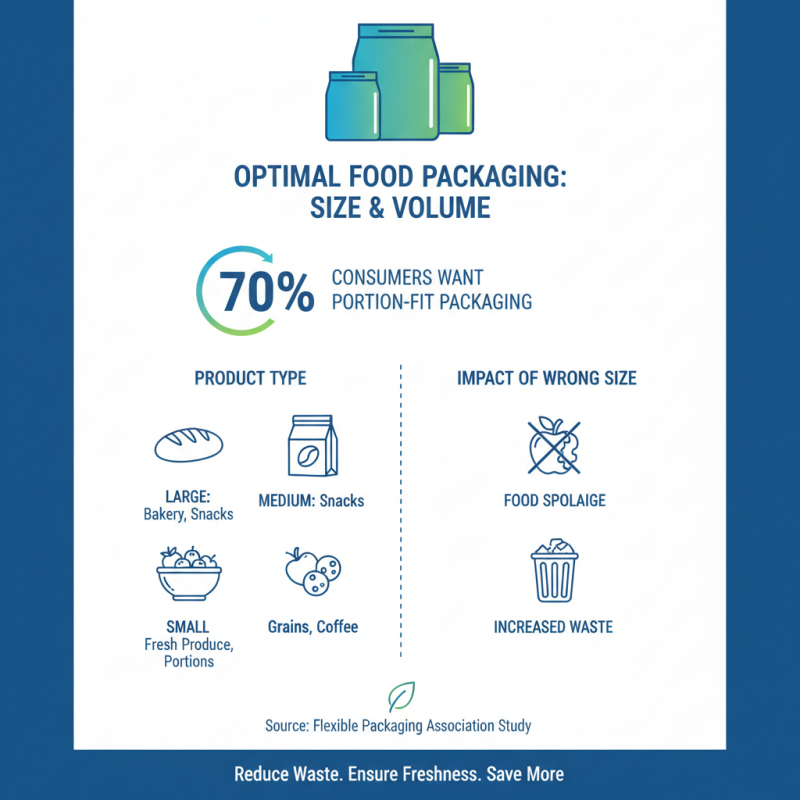
When selecting food packaging bags, size and volume requirements play a crucial role. Different food products demand varying measurements to ensure freshness and reduce waste. According to a study by the Flexible Packaging Association, around 70% of consumers seek packaging that fits their portion needs. Inappropriate bag sizes can lead to spoilage or excess waste.
Understanding the bulk and dimensions of your products is essential. For example, dry goods like grains may require larger bags to prevent moisture absorption. In contrast, single-serve snacks may benefit from compact, resealable options. Research shows that packaging innovations can improve shelf life by up to 40%, benefiting both manufacturers and consumers.
It's also worth noting the gap in understanding how packaging size influences consumer behavior. Many brands overlook the psychology behind size perception. Consumers often associate larger packages with better value, even if they don't need the quantity. This can lead to unnecessary purchases and ultimately impact sustainability goals. Balancing product needs with consumer expectations is key for success in the food packaging industry.
Analyzing Cost Factors and Budget Considerations for Packaging Bags
Cost considerations play a crucial role when selecting food packaging bags. Industry reports indicate that packaging costs can account for up to 15% of total product costs. This percentage varies with material choice, bag type, and manufacturing process. Flexible packaging options, such as pouches, are often more cost-effective than rigid containers. They typically require less material and offer greater design versatility.
Analyzing the options is essential. Polylactic acid (PLA) bags, for example, are eco-friendly but can be 20-30% more expensive than conventional polyethylene bags. This price difference may impact your budget significantly, especially for bulk purchases. Consumer preferences are shifting toward sustainable options, yet the higher upfront cost can pose a challenge for businesses on tight budgets. Understanding your target market's willingness to pay is critical.
Think about potential waste reduction. Properly chosen packaging can extend product shelf life and reduce spoilage. According to the Food Marketing Institute, improper packaging contributes to about $161 billion in food waste annually in the U.S. Investing in quality bags might seem costly initially but can save money in the long run. Reflecting on these aspects can lead to more informed and balanced decisions.
Top Tips for Choosing the Best Food Packaging Bags