Top 2025 Packaging Design Trends: What to Expect in Consumer Products
As we look ahead to 2025, the world of packaging design is poised for transformation, reflecting growing consumer expectations and innovative advancements in materials and sustainability. In an era where consumers prioritize not only functionality but also aesthetics and environmental impact, packaging design emerges as a pivotal element in the decision-making process for purchasing products. This guide aims to explore the anticipated trends that are set to shape the landscape of packaging design over the coming years.
From minimalistic approaches that embrace simplicity to bold artistic expressions that capture attention, the trends in packaging design will serve as a barometer for consumer values and preferences. Additionally, the integration of smart technologies into packaging will enhance the user experience, providing interactive features that engage consumers on a deeper level. With sustainability at the forefront, brands are expected to innovate with eco-friendly materials and practices, reinforcing their commitment to the planet. By understanding these trends, businesses can better position themselves to meet the evolving demands of their target audience while also contributing to a more sustainable future.
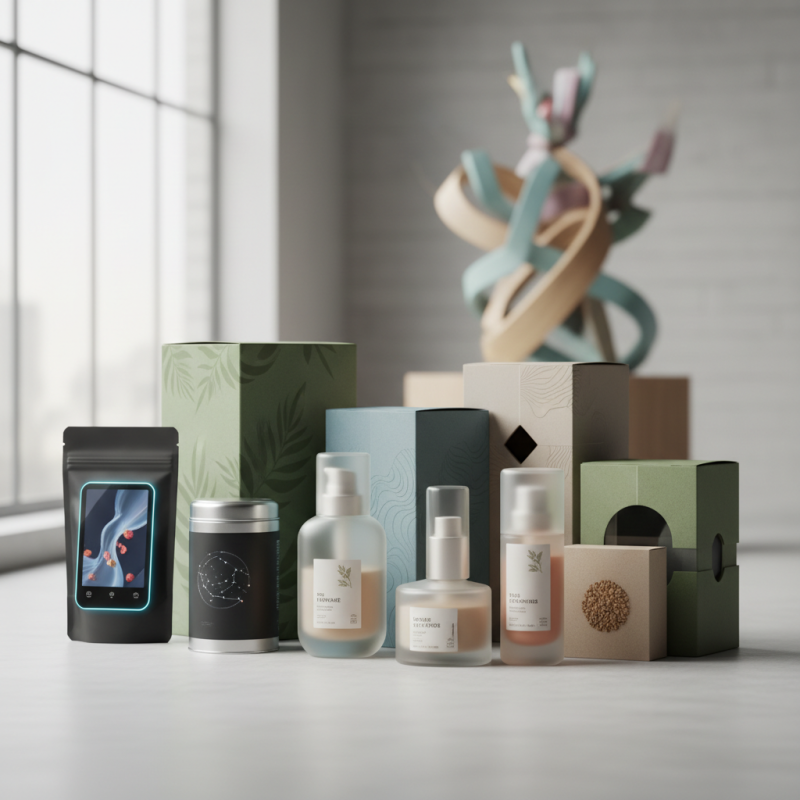
Overview of Packaging Design Evolution and Trends
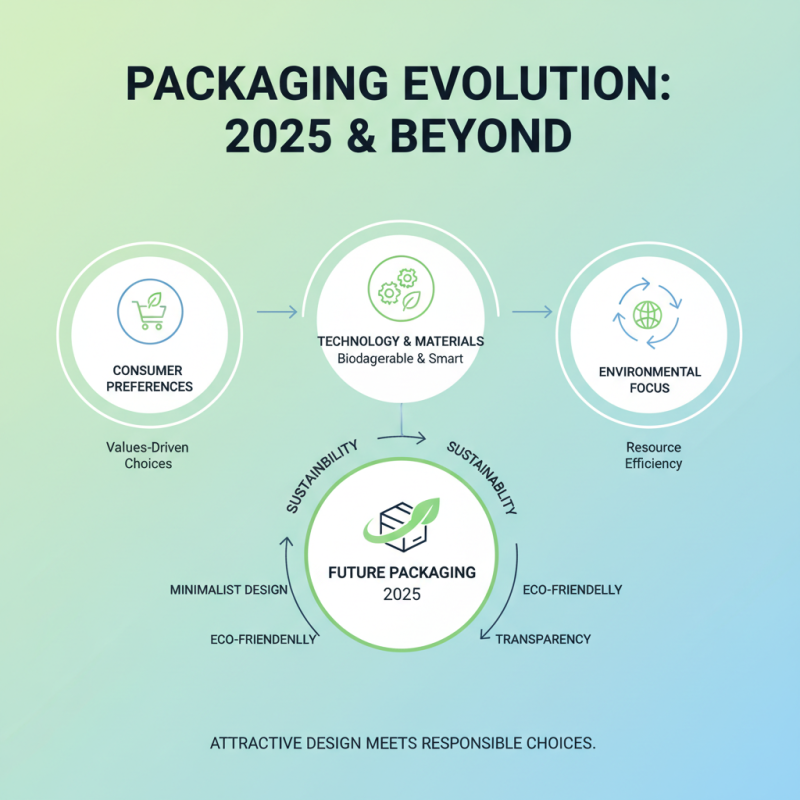
The evolution of packaging design has been significantly influenced by changing consumer preferences, advancements in technology, and environmental considerations. As we look toward 2025, packaging will continue to shift towards sustainability, with biodegradable materials and minimalistic designs taking center stage. Consumers are increasingly seeking products that align with their values, prompting brands to rethink their packaging strategies to highlight eco-friendliness and resource efficiency. This trend reflects a deeper connection between products and their environmental impact, where attractive design meets responsible choices.
Tips for brands looking to stay ahead in packaging design include conducting regular consumer research to understand emerging preferences and testing innovative materials that cater to sustainability. Additionally, incorporating interactive elements into packaging, such as QR codes that provide product information or engage customers on social media, can create a more immersive experience. Brands should also pay attention to visuals—colors, typography, and imagery can significantly influence purchase decisions, and staying in tune with design trends will help capture consumer interest effectively.
Sustainability in Packaging: Redefining Consumer Expectations
As we move toward 2025, sustainability in packaging is set to redefine consumer expectations on a global scale. According to a recent report by McKinsey, about 60% of consumers are now willing to change their shopping habits to reduce environmental impact, highlighting a significant shift in purchasing behavior. This increasing demand for sustainable packaging solutions is pressuring brands to innovate and commit to eco-friendly materials such as biodegradable plastics, recycled content, and minimalistic designs that reduce waste. Not only does this align with consumer values, but it also enhances brand loyalty, with 75% of consumers stating they are more likely to purchase from a company that demonstrates environmental responsibility.
Moreover, the emphasis on sustainability is reshaping the entire supply chain. As noted by the Ellen MacArthur Foundation, transitioning to a circular economy can lead to a potential cost saving of $1 trillion across the consumer goods sector by 2030. Brands are increasingly adopting sustainable practices not just to meet regulatory requirements but to gain competitive advantages in a crowded market.
This evolution demands that packaging designers stay attuned to emerging materials and innovative processes that prioritize sustainability, ultimately creating a new standard in consumer expectations for packaging. As consumer awareness continues to grow, companies that fail to adapt may find themselves falling behind in a rapidly changing landscape.
Minimalism vs. Maximalism: Balancing Aesthetics and Functionality
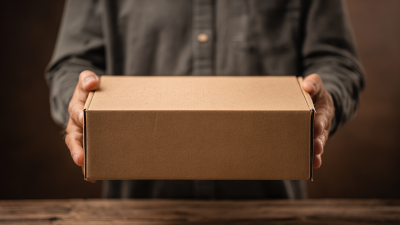
As we approach 2025, the packaging design landscape is witnessing a dynamic interplay between minimalism and maximalism. Minimalism focuses on simplicity, where designs strip away unnecessary elements to convey clarity and efficiency. This approach is increasingly favored by consumers who appreciate aesthetics linked with eco-friendliness. According to a report by the Packaging Association, 65% of consumers prefer brands that prioritize sustainable, minimalist packaging. This trend reflects a growing demand for transparency, where packaging serves not only as a protective layer but also as an essential element of brand identity.
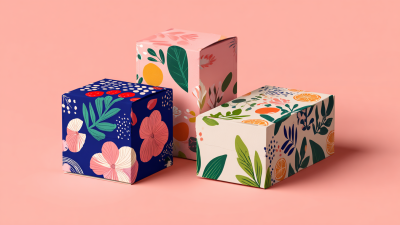
Conversely, maximalism is ushering in a bold resurgence, characterized by vibrant colors, intricate patterns, and elaborate typography. This design philosophy seeks to evoke emotional responses, creating a visually stimulating experience. Research indicates that products with striking maximalist designs can capture consumer attention more effectively, leading to a 37% increase in visual impact compared to minimalist counterparts. As competition intensifies, brands are harnessing the power of maximalism to differentiate themselves and engage consumers through storytelling and rich sensory experiences, making packaging more than just a vessel but a canvas for creative expression. This duality forces brands to find a balance that resonates with consumers' evolving preferences, strategically leveraging both aesthetics and functionality.
The Role of Technology in Innovative Packaging Solutions
As we look toward 2025, technology is set to play a pivotal role in transforming packaging design. Innovations such as smart packaging that incorporates QR codes and sensors allow brands to engage consumers in unique ways. This technology not only enhances the user experience but also provides manufacturers with valuable data on consumer behavior. For instance, sensors can monitor freshness or temperature, ensuring products are consumed at their optimal quality.
Tips: Embrace technology by exploring how augmented reality can offer interactive experiences through packaging. This kind of engagement can turn a simple product into a captivating story, encouraging customer loyalty and feedback.
Furthermore, eco-friendly materials and processes are being revolutionized by technology. Advances in biodegradable plastics and sustainable sourcing allow companies to minimize their environmental footprint while still meeting consumer demands for aesthetic appeal. By investing in sustainable practices, brands can communicate their commitment to the environment, resonating with the increasing number of eco-conscious consumers.
Tips: Consider collaborating with tech startups that specialize in sustainable packaging innovations. This partnership can not only enhance your product's marketability but also position your brand as a leader in responsible packaging solutions.
Top 2025 Packaging Design Trends: What to Expect in Consumer Products - The Role of Technology in Innovative Packaging Solutions
| Trend |
Description |
Technology Impact |
Sustainability Focus |
| Smart Packaging |
Integration of sensors and QR codes for real-time product information. |
Enhances consumer engagement and product traceability. |
Can reduce waste through better inventory management. |
| Minimalist Design |
Simplified packaging aesthetics focusing on essential information. |
Utilizes digital printing for customized designs. |
Reduces material use, promoting eco-friendly alternatives. |
| Recyclable Materials |
Utilizing materials that can be fully recycled or composted. |
Innovative manufacturing processes to enhance recyclability. |
Supports circular economy initiatives. |
| Interactive Packaging |
Packaging that engages consumers through AR and gamification. |
Utilizes augmented reality for enhanced consumer interaction. |
Encourages sustainable practices through educational content. |
| Edible Packaging |
Innovative packaging that can be eaten or is made from food ingredients. |
Incorporates food science and technology innovations. |
Reduces waste and promotes sustainability in food delivery. |
Color Psychology and Branding: Crafting Emotional Connections through Design
In the dynamic world of packaging design, color psychology plays a pivotal role in establishing emotional connections with consumers. Colors invoke feelings and associations that can significantly influence purchasing decisions. For instance, warm colors like red and yellow can evoke excitement and urgency, making them ideal for products positioned to capture immediate attention. On the other hand, cooler colors such as blue and green tend to convey calmness and trust, inviting consumers to engage more thoughtfully with the product. The strategic use of color not only enhances visual appeal but also reinforces brand identity by fostering a desired emotional response.
As brands seek to differentiate themselves in a crowded market, understanding the connotations of various colors can lead to more effective design choices. For example, a minimalist approach that employs monochromatic schemes can evoke sophistication and elegance, aligning perfectly with luxury products. Moreover, the cultural significance of colors can vary widely across demographics and regions, necessitating a nuanced understanding of target audiences. Harnessing these insights allows brands to craft packaging that truly resonates, creating meaningful connections that extend beyond the product itself. By integrating color psychology into packaging design, brands can establish a strong emotional anchor that enhances customer loyalty and long-term engagement.