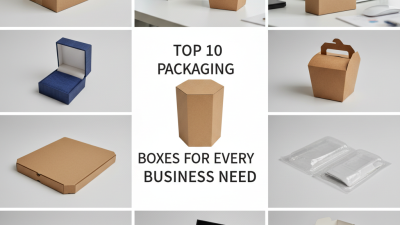
For global buyers, specialty boxes are more than attractive containers. They protect products, communicate brand values, and shape the customer’s first physical impression. A rigid box with a magnetic lid feels different from a recyclable kraft mailer. A drawer box suggests ceremony. A fitted insert suggests care.
Packaging strategist Lisa McTigue Pierce describes packaging as “the silent salesperson.” That simple idea remains useful. A box speaks through its texture, structure, printing, and opening experience before the product is fully visible. Our selection of the 10 best specialty boxes considers those practical signals, not only appearance.
The guide examines packaging for gifts, cosmetics, food, electronics, subscriptions, and premium retail products. It compares materials, closure styles, customization options, protection, shipping efficiency, and likely customer expectations. Global buyers also need clear information about dimensions, minimum order quantities, production times, and responsible material claims.
Small details matter. A loose insert can damage a glass bottle. Excessive layers can frustrate customers and raise shipping costs. A beautiful finish may also become impractical in humid climates. No ranking can fit every market. That limitation deserves attention.
The strongest specialty boxes balance presentation with performance. They should open cleanly, protect the contents, and support a credible brand story. Buyers should request samples, verify supplier specifications, and review regional packaging requirements before placing large orders. This article offers a practical starting point, while leaving room for careful testing and better decisions.

Specialty boxes are packaging formats designed for a specific product, journey, or buying experience. Common options include rigid boxes, folding cartons, mailers, corrugated boxes, telescoping boxes, drawer boxes, magnetic boxes, tubes, foam-fit cases, and insulated boxes. Global buyers choose them because ordinary packaging often fails across longer routes, changing climates, and repeated handling. A rigid box can protect delicate goods, while a corrugated mailer reduces empty space and shipping weight. Small details matter: a tight insert, moisture-resistant coating, clear dimensions, and a scannable shipping label.
Industry data supports this demand. Smithers’ e-commerce packaging research reports strong growth in online-delivery packaging, driven by rising parcel volumes and stricter sustainability expectations. DHL’s 2024 E-Commerce Trends Report surveyed 12,000 shoppers across 24 markets and confirmed that international purchasing is now common. Packaging therefore affects more than appearance. It influences damage risk, delivery confidence, storage, and return handling. Baymard Institute’s checkout research places average online cart abandonment at about 70%, although packaging alone cannot explain that figure. It still shows how easily buyers reconsider a purchase.
From practical sourcing experience, the “best” box depends on the product, destination, and fulfillment process. A premium magnetic box may impress customers but waste space. A plain mailer may perform better. That assumption needs testing. Buyers should compare drop-test results, material weight, recycling guidance, minimum order quantities, and regional packaging rules before selecting a format. A beautiful box can still become an expensive problem.
A high-quality specialty box begins with a clear job: protect, present, and travel well. Global buyers often inspect board thickness, corner strength, and closure accuracy before visual styling. A rigid box should resist crushing when stacked. A folding box should open cleanly without splitting at the creases. Small details matter. I look for even edges, firm hinges, and interiors that hold products without movement. These checks reveal more than glossy photographs.
Material choice must match the product and shipping route. Recycled paperboard can reduce resource use, but weak fibers may fail in humid ports. Coated surfaces improve appearance, yet some coatings complicate recycling. This trade-off deserves honest testing. Drop tests, compression checks, and moisture exposure provide useful evidence. Ask for production samples, not only digital proofs. Color, fit, and print alignment can change between samples and mass production. A reliable supplier records tolerances, inspection results, and corrective actions.
Strong specialty packaging also supports practical customization. Compartments should prevent movement without wasting space. Inserts need clean edges and safe, stable materials. Labels must remain readable after handling and storage. For international orders, dimensions and weight should be checked against carrier limits and destination requirements. Responsible packaging avoids misleading claims and unnecessary layers. Even experienced reviewers can overlook a lid that fits too tightly. No box is perfect. Buyer feedback, pilot runs, and periodic inspections help reveal weaknesses before wider distribution.
10 Best Specialty Boxes for Global Buyers
Comparing specialty boxes across international markets requires more than checking price and appearance. Measure internal dimensions, material strength, moisture resistance, and packing speed. A box that protects ceramic goods in a dry warehouse may fail during a humid sea journey. The right choice depends on product weight, handling conditions, delivery distance, and local recycling systems.
The Pitney Bowes Parcel Shipping Index recorded 161.1 billion parcels worldwide in 2022. That volume increases pressure on packaging efficiency and damage prevention. Compare boxes by dimensional weight, not only unit cost. A slightly smaller design can reduce transport charges across many orders. The World Bank also reports that global municipal waste reached 2.01 billion tonnes in 2016, with at least one-third poorly managed. This makes recycled fiber, limited inks, and easy separation important buying criteria. Claims still need verification.
Check supplier test data, including edge-crush strength, drop performance, and compression results. Request samples in the destination climate. That step is often skipped. It should not be. Buyers should also examine labeling space, multilingual instructions, and import documentation requirements. Regional recycling rules differ, and a box marketed as “eco-friendly” may not be accepted locally. The comparison should include failure rates, replacement costs, storage space, and customer unpacking experience, not just catalog specifications.
| Rank | Specialty Box Type | Typical Construction | Common Product Formats | Typical Internal Size Range | Protection Level | International Market Fit | Material & Recycling Considerations | Relative Cost | Typical Production Lead Time | Key Buying Check |
|---|---|---|---|---|---|---|---|---|---|---|
| 1 | E-Commerce Mailer Box | Self-locking corrugated board with integrated flaps and tuck closure. | Apparel, cosmetics, books, accessories and subscription products. | 150–400 × 100–300 × 40–150 mm | Medium–High | Suitable for parcel delivery in North America, Europe and Asia-Pacific when the board grade matches the shipping route. | Paper-based and widely recyclable where clean corrugated collection is available; avoid excessive plastic lamination. | Low–Medium | Approximately 2–5 weeks for standard printed production. | Confirm edge-crush strength, burst strength, compression performance and dimensional-weight charges. |
| 2 | Rigid Setup Box | Thick paperboard wrapped around a permanently formed rigid structure. | Premium electronics, jewelry, cosmetics, gifts and luxury accessories. | 100–350 × 80–250 × 30–150 mm | High presentation value | Strong fit for premium retail markets where shelf appearance and unboxing experience influence purchase decisions. | Paperboard is recyclable when free from mixed-material inserts, magnets, foils and heavy plastic coatings. | High | Approximately 4–8 weeks, depending on wrapping, inserts and finishing. | Check flat-pack or assembled shipping requirements, insert accuracy and moisture resistance during transit. |
| 3 | Folding Carton | Printed paperboard die-cut, creased and supplied flat for later forming. | Food, pharmaceuticals, personal care, household goods and small consumer products. | 60–300 × 40–200 × 20–120 mm | Medium | Highly adaptable for regulated retail channels, but food and pharmaceutical applications require market-specific compliance review. | Generally recyclable paperboard; coatings, foil layers and plastic windows may affect recycling routes. | Low–Medium | Approximately 2–5 weeks after artwork and structural approval. | Verify board grammage, food-contact suitability, barcode readability and language requirements for each destination. |
| 4 | Magnetic Closure Box | Rigid wrapped box with concealed or exposed embedded magnets and a hinged lid. | Gift sets, premium technology, fragrance, jewelry and executive products. | 180–450 × 120–350 × 50–180 mm | High presentation value | Effective for premium international gifting, but air-freight shipments require packaging and transport checks for magnetic components. | Paper components may be recyclable; magnets, foam and laminated coverings usually require separation before disposal. | High | Approximately 5–9 weeks. | Check magnetic field limits for air transport, closure strength, hinge durability and insert fit. |
| 5 | Cylindrical Tube Box | Spiral-wound or convolute paperboard tube with fitted end caps. | Posters, bottles, candles, cosmetics, tea, coffee and cylindrical products. | Diameter 50–150 mm; length 150–500 mm | Medium–High | Useful for products that are difficult to pack in rectangular cartons and for visual differentiation in retail markets. | Paperboard tubes can be recyclable if metal, plastic and composite closures are removable. | Medium | Approximately 3–6 weeks. | Compare crush resistance, cap retention, internal diameter tolerance and protection against rolling in transit. |
| 6 | Insulated Thermal Box | Corrugated outer carton combined with paper, foam or reflective thermal insulation. | Perishable foods, meal kits, pharmaceuticals and temperature-sensitive samples. | 200–600 × 150–400 × 100–350 mm | High thermal protection | Suitable for cross-border cold-chain distribution only when validated with the actual route, season and handling profile. | Paper insulation is easier to recover; expanded plastic foams and gel packs may require separate local disposal systems. | High | Approximately 3–8 weeks, plus thermal testing and validation. | Request temperature-mapping data, transit-duration assumptions, condensation performance and refrigerant disposal guidance. |
| 7 | Bottle and Wine Shipping Box | Corrugated outer case with molded pulp or corrugated cell dividers. | Glass bottles, spirits, sauces, oils and other fragile liquid containers. | Single to 12-bottle formats; typical height 250–380 mm | High impact protection | Appropriate for domestic and international parcel networks when tested for vibration, drops and stacking. | Fiber-based dividers are commonly recyclable; molded pulp generally has fewer disposal complications than plastic inserts. | Medium | Approximately 3–6 weeks. | Check drop-test results, bottle neck clearance, leak containment and compliance with destination-market shipping rules. |
| 8 | Die-Cut Protective Box | Precision-cut corrugated or paperboard structure designed around a specific product geometry. | Consumer electronics, instruments, tools, medical devices and irregular-shaped goods. | Custom; commonly 150–600 mm on the longest side | High | Good for reducing void space and product movement across international parcel and freight channels. | Usually recyclable when made from mono-material fiber; printed coatings and foam inserts can reduce recovery efficiency. | Medium | Approximately 3–7 weeks, including structural sampling. | Compare product fit, drop performance, assembly labor, nesting efficiency and replacement-part availability. |
| 9 | Telescoping Two-Piece Box | Two rigid or corrugated sections that overlap to accommodate variable product heights. | Artwork, framed products, long components, textiles and gift collections. | Length 300–1,200 mm; width 150–600 mm; adjustable height | Medium–High | Useful for mixed-size international orders because the adjustable overlap can reduce the need for multiple box sizes. | Fiber-based versions are broadly recyclable; reinforce corners without adding unnecessary composite materials. | Medium | Approximately 3–6 weeks. | Review overlap strength, sliding friction, corner protection, pallet utilization and dimensional-weight exposure. |
| 10 | Heavy-Duty Export Shipping Box | Double-wall or triple-wall corrugated case, often paired with edge protection and strapping. | Industrial parts, machinery components, bulk products and export consignments. | 300–1,500 × 200–1,000 × 200–1,000 mm | Very high | Designed for longer supply chains, repeated handling, pallet transport and demanding sea or air freight conditions. | Corrugated fiber is recyclable; wooden supports, plastic strapping and moisture barriers may require separate disposal routes. | High | Approximately 4–8 weeks, depending on testing and custom reinforcement. | Confirm stacking load, humidity exposure, pallet compatibility, handling labels and any wood-packaging treatment requirements. |
Specialty boxes serve different buyer needs, so one format rarely fits every market. Subscription boxes benefit from lightweight corrugated structures with secure inserts. Gift boxes need stronger visual appeal, clean edges, and protective interiors. Sample boxes should be compact, easy to open, and economical for small quantities. Refill boxes often use simple folding designs that reduce material and storage space. Rigid boxes feel premium, but they add weight and shipping cost. I have seen buyers overlook this trade-off when focusing only on appearance.
Seasonal boxes can create excitement, yet they may become difficult to reuse. Custom compartments help organize fragile products, while flat-pack designs lower warehouse demands. Global buyers should check dimensions, moisture resistance, labeling space, and recycling guidance before approving a structure. Packaging performance can change across humid ports, cold warehouses, and long delivery routes. A beautiful box can still fail if the closure loosens during handling. That happens.
Tips: Match the box to the product’s weight, shape, and expected delivery conditions. Request a physical prototype, not only digital artwork. Test stacking, opening, and resealing with real contents. Leave space for required product information and destination-market instructions. Avoid excessive inserts unless they protect the item. Compare total landed cost, including freight and storage. My own preference has changed after seeing oversized boxes waste warehouse space. Buyers should review samples with logistics and compliance teams before placing larger orders.
Choosing among the 10 best specialty boxes starts with supplier evidence, not attractive photos. Request material specifications, factory audit records, sample dimensions, and recent drop-test results. A reliable supplier should explain board grade, moisture resistance, printing limits, and rejection procedures clearly. Ask for one sample shipped in real conditions. It may arrive damaged.
Cost calculations often fail because buyers compare unit prices alone. Include tooling, artwork setup, inserts, minimum order quantities, duties, inspection, and storage. Dimensional weight can raise air-freight costs sharply, especially for rigid boxes with empty space. The 2023 World Bank Logistics Performance Index shows major differences in customs, infrastructure, and delivery reliability across markets. Compare complete landed-cost quotes for the same shipping lane. Do not trust a vague “shipping included” promise.
Safety needs documented testing. ISTA 3A testing can simulate parcel handling, vibration, and drops, while ISO 18601 provides a framework for packaging and environmental claims. For international sales, check applicable material restrictions, labeling rules, recycling marks, and product-contact requirements before production. UNCTAD’s Review of Maritime Transport 2024 states that maritime shipping carries over 80% of world merchandise trade by volume, but sea freight still exposes boxes to humidity and prolonged handling. Use sealed inner protection where appropriate. One overlooked issue remains: decorative coatings may affect recyclability. Supplier confidence is useful, but independent inspection is better.